
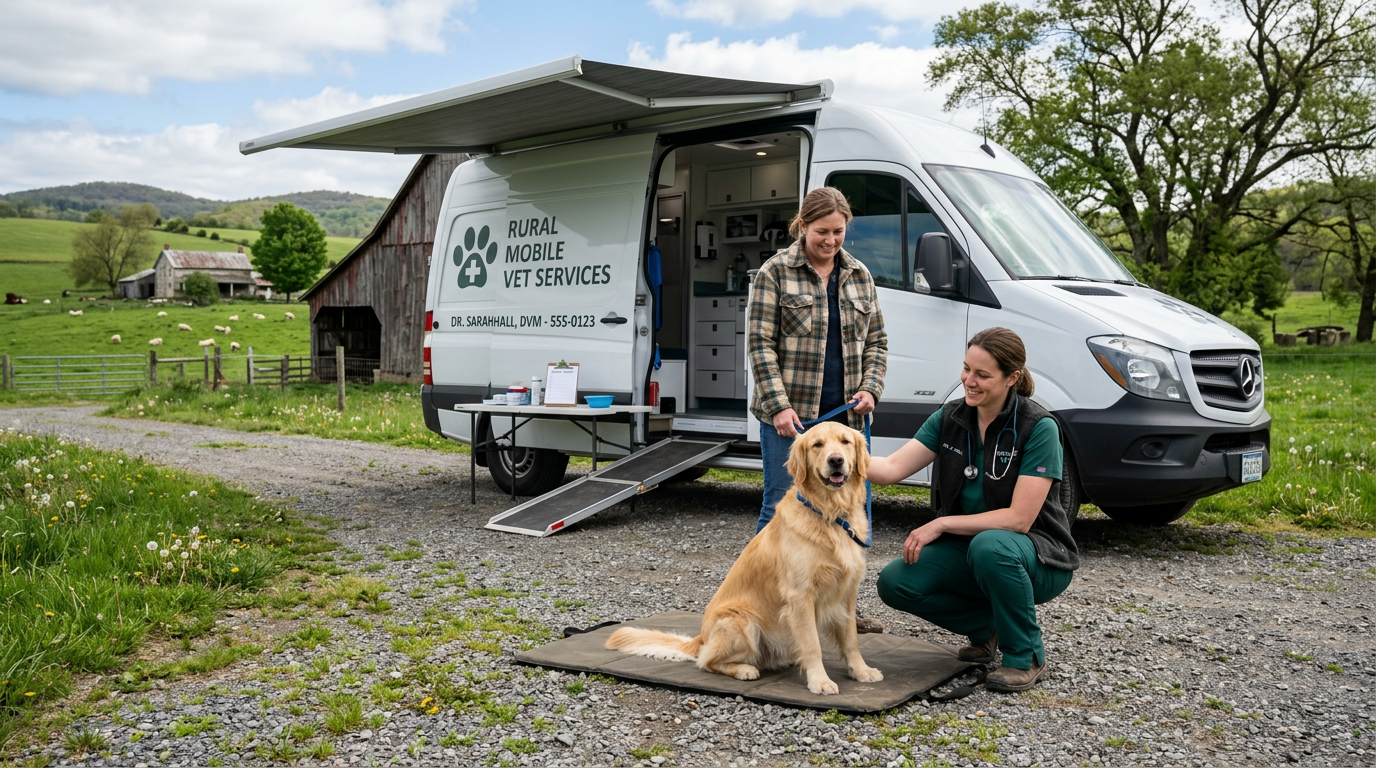
The pet industry dupe thrives on a glossy façade—puppies in windows, a heartstring-pulling fantasy that masks a harrowing reality. Millions of abandoned animals languish, forgotten, as “unsung heroes” in grassroots NGOs fight against systemic neglect and overpopulation. While large charities bask in publicity, local groups quietly revolutionize animal welfare through education and targeted medical care, prioritizing sterilization over mere rescue. They are transforming community values towards compassion rather than indifference, proving that real change doesn’t stem from grand gestures but from everyday actions. In a world quick to exploit, the call for genuine, localized commitment to animal welfare has never been more urgent.
Tag Archives: pet care
The Impact of Small Donations in Animal Rescue
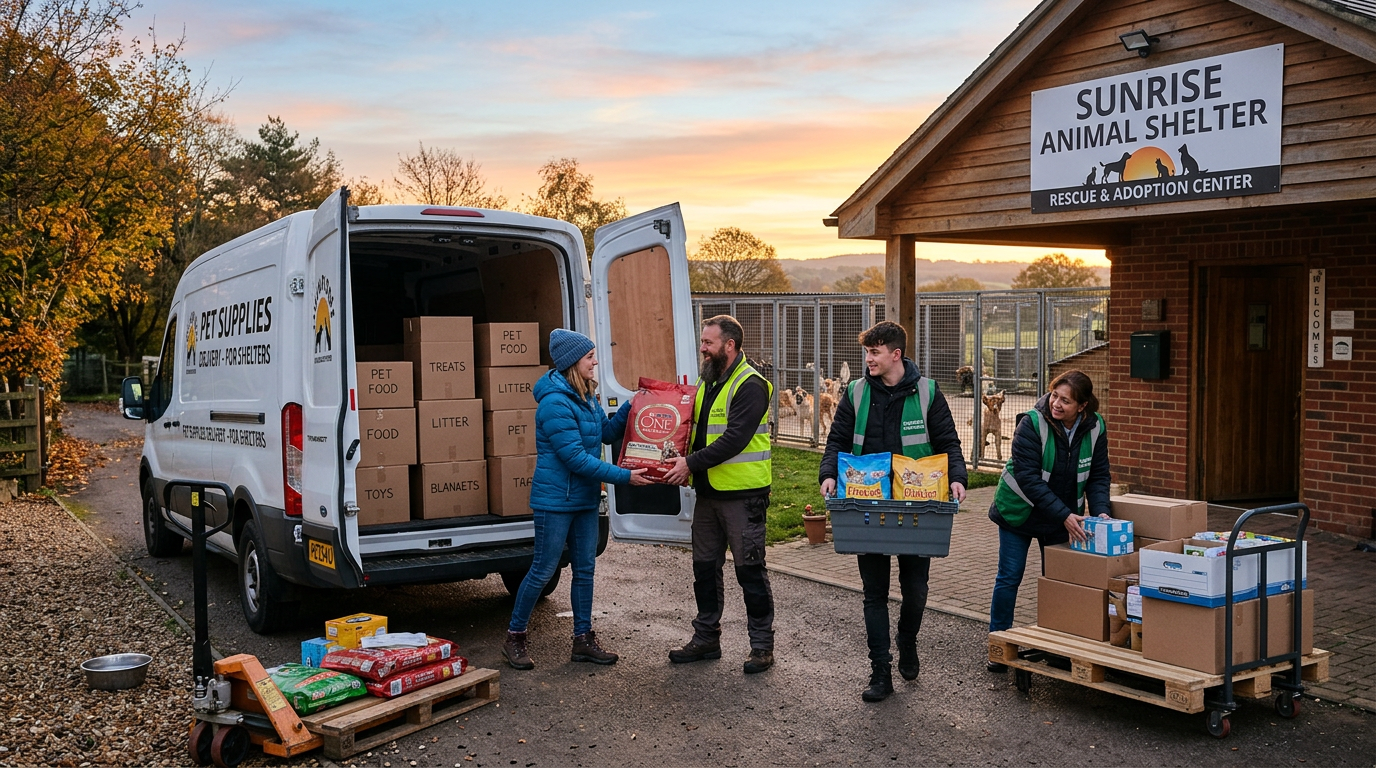
Animal welfare isn’t about pouring huge sums into big organizations; it’s about the transformative power of small, consistent contributions. Grassroots NGOs thrive on modest donations, volunteer efforts, and community engagement—where each small act creates a ripple effect of change. These organizations maximize limited resources, turning every dollar into immediate life-saving action. Whether it’s funding a vaccination or sharing an adoption post, every gesture counts. Sustainable animal rescue demands consistent support, allowing quick response in emergencies. Together, ordinary individuals wield extraordinary power, proving that compassion, amplified through community, can reshape the landscape of animal welfare. Your small action could spark a revolution.
Beyond Rescue: Building a Compassionate Future for Animals
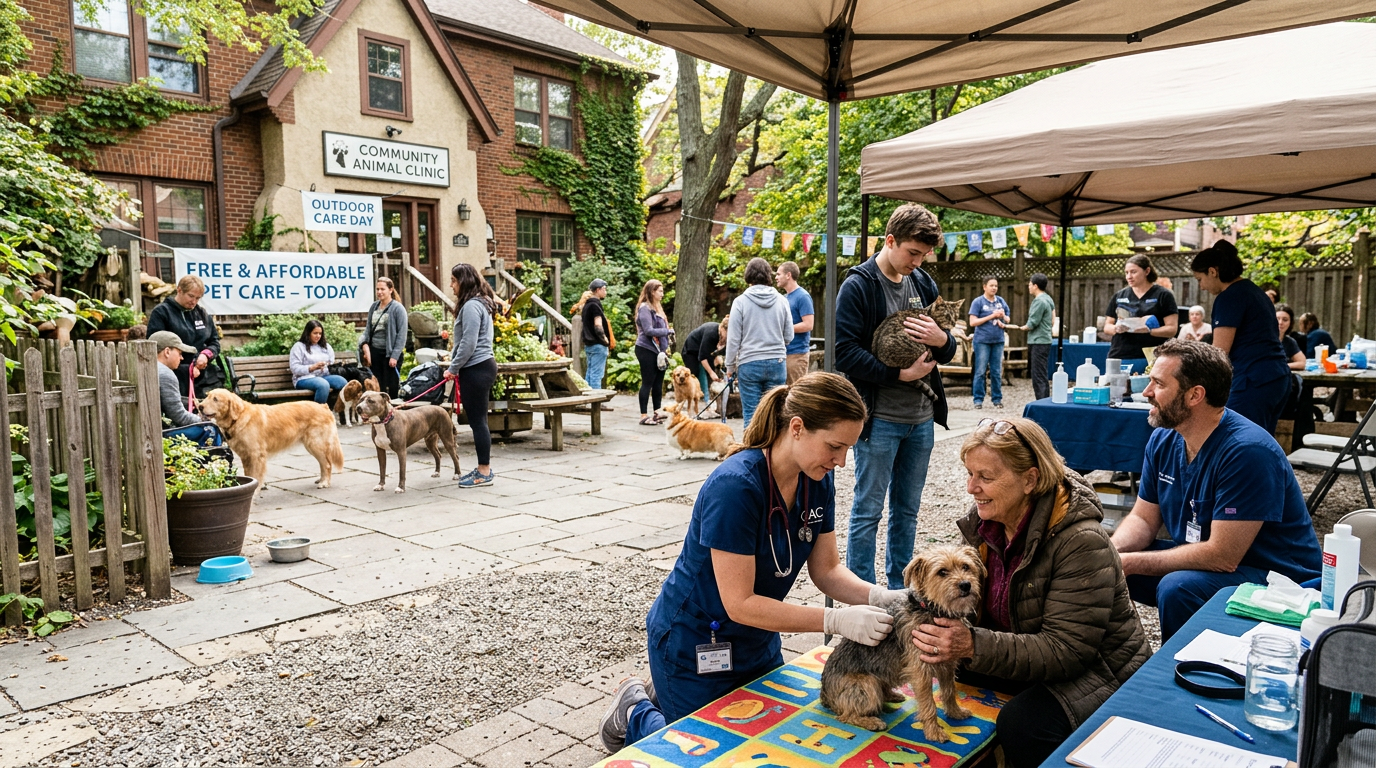
Rescue is just the tip of the iceberg in the animal welfare crisis. While swooping in to save individual lives evokes powerful emotions, it’s merely a band-aid on a festering wound. True transformation hinges on tackling root causes like overpopulation and neglect. Organizations are shifting their focus from reactive rescues to proactive strategies, emphasizing education and humane population control. By empowering communities to embrace responsible pet ownership and kindness towards animals, they lay the groundwork for cultural change. If we genuinely care, we must invest in prevention—because the real victory lies in stopping the suffering before it even begins.
Adopt, Don’t Shop: Transforming Lives Through Dog Rescue

Every rescued dog embodies two powerful narratives: survival and the potential rebirth post-rescue. The Pawrenting Company highlights the often unseen but vital rescue process that turns fear into trust. Organizations like Red Paws Rescue operate under the “second chance” ethos, orchestrating a complex symphony of medical aid, behavioral support, and foster care. These foster homes are not merely transitions; they are transformative safe havens that set dogs on the path to healthy, loving adoptions. The “Adopt, Don’t Shop” movement empowers this ecosystem, fostering a culture of compassion that reshapes lives—both canine and human—proving that true rescue is about finding lasting homes and love.
The Reality of Animal Rescue Operations
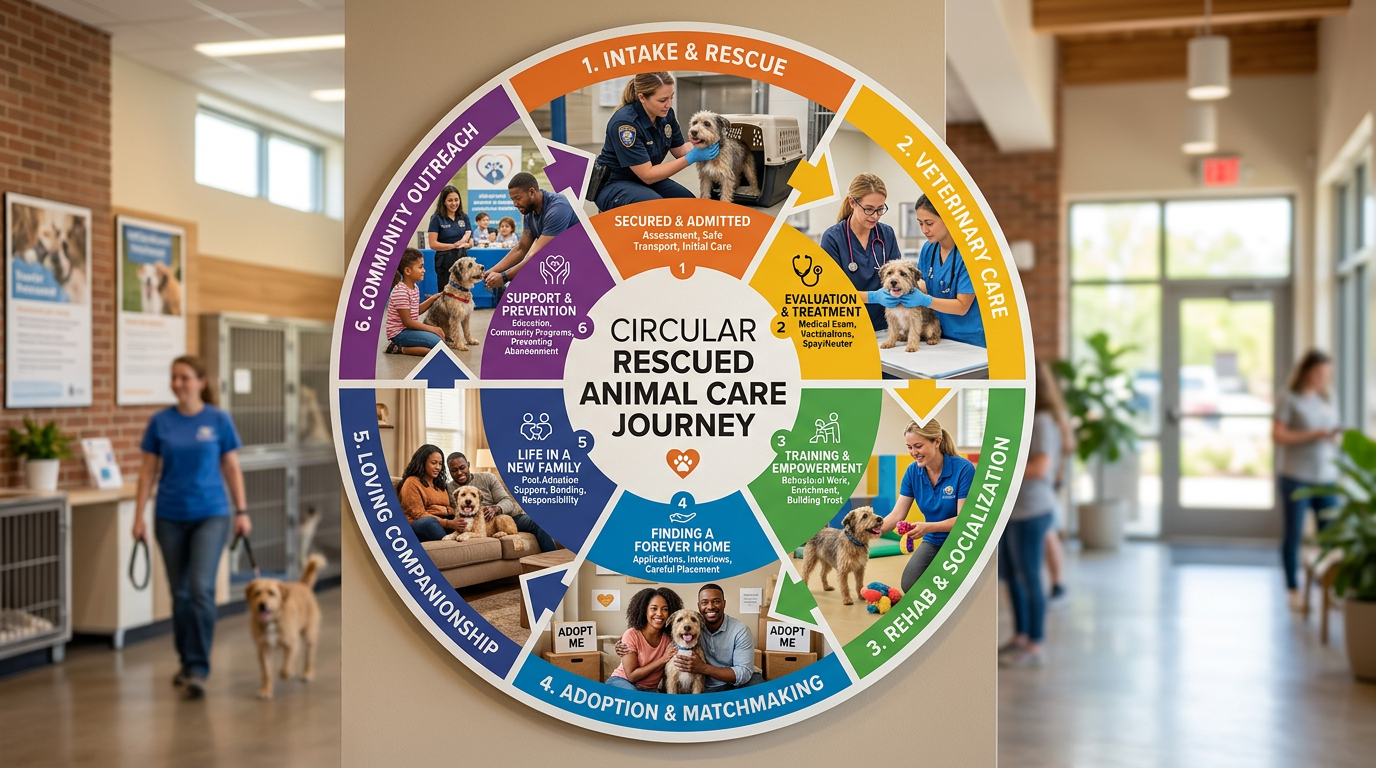
Animal sanctuaries are far from the idyllic havens we often envision. They are battlegrounds for compassion where dedicated teams fight against the clock—2 a.m. emergencies, overcrowded facilities, and relentless feeding schedules dominate their existence. The reality is grueling, filled with trauma and emotional exhaustion, as caregivers forge deep bonds with the animals while confronting loss daily. These sanctuaries are critical lifelines amid urban chaos, offering medical care, rehabilitation, and shelter for vulnerable creatures. Yet, it’s the unwavering commitment in the face of overwhelming challenges that truly embodies the essence of compassion. Here, love becomes an action, not just a feeling.
The Importance of Sterilization in Animal Welfare
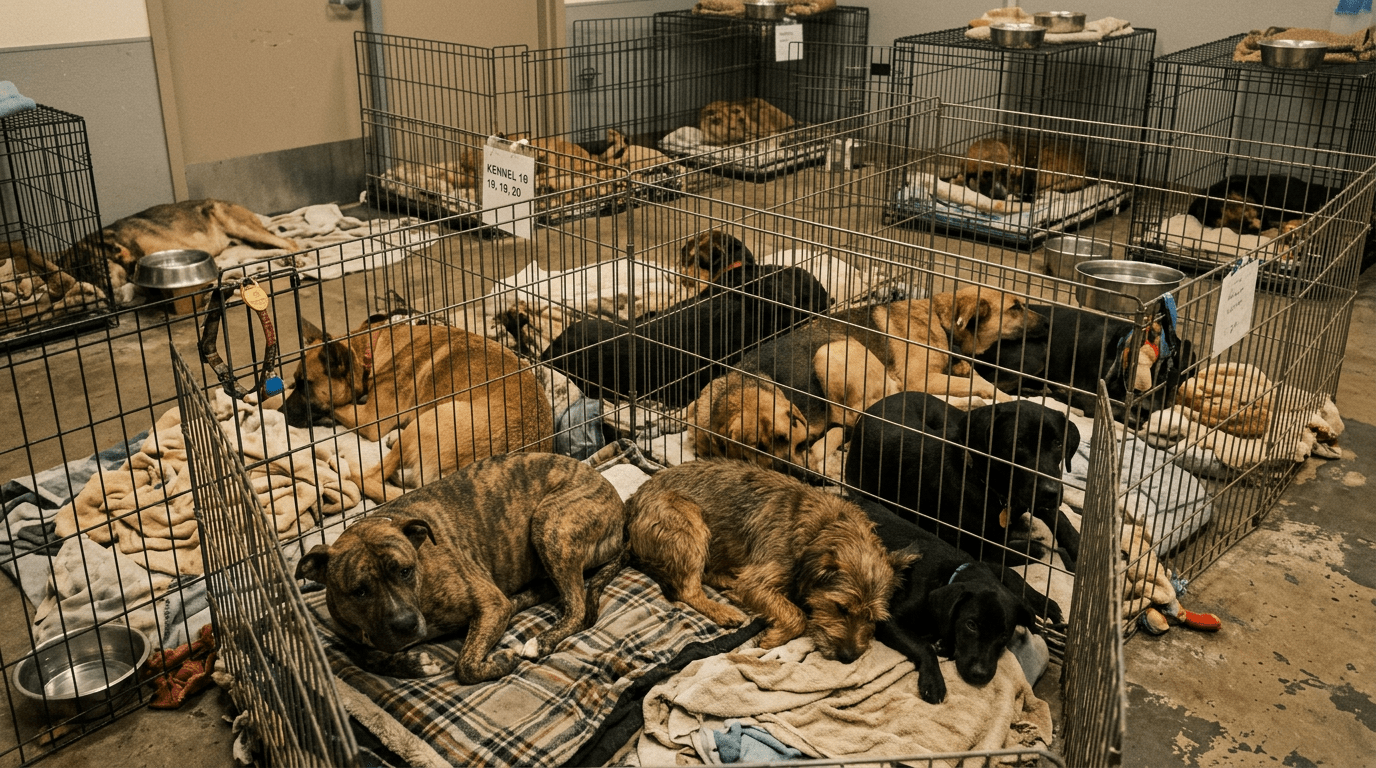
In a world awash with stray animals and overcrowded shelters, rescue efforts alone won’t cut it. The grim truth is that without effective population management through sterilization and vaccination, the cycle of suffering continues unabated. Organizations like Soi Dog Foundation and Red Paws Rescue grasp this reality, prioritizing humane interventions over temporary fixes. A single unsterilized dog can spark an epidemic of unwanted puppies and all the related horrors—disease, malnutrition, and human conflict. The key? Long-term commitment to preventing suffering, harnessing both compassion and scientific strategies. Embrace this reality, or be a bystander in a perpetually tragic narrative.
Embracing Presence: Ditching Performance for Authenticity

In a world obsessed with performance and self-packaging, the devastating reality emerges: being seen does not equate to being known. We’ve mastered the art of projection, presenting polished versions of ourselves to garner acceptance, yet this façade breeds exhaustion and profound loneliness. True presence transcends performance—it’s the audacity to show up as raw, unfinished beings. It rejects the need for perfection and challenges us to embrace our vulnerabilities. This journey demands a radical honesty that cultivates meaningful connections. Ultimately, it’s about daring to be real in an era that prefers the superficial, and trusting that authenticity is more than enough.
Why Sterilization and Vaccination Are Essential for Community Health
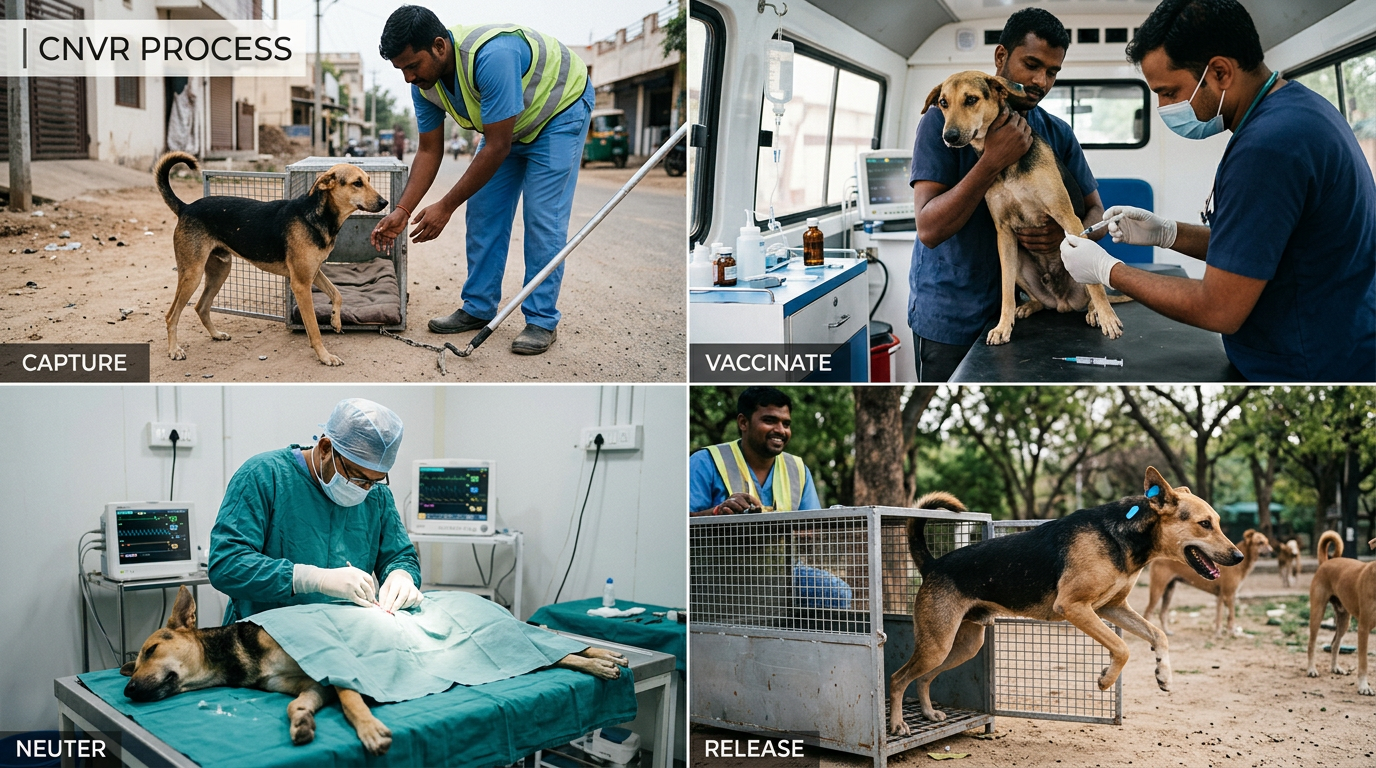
Stray population management is more than a compassionate gesture; it’s a public health imperative. The argument for sterilization and vaccination transcends mere kindness, positioning these methods as essential to bolster community safety and well-being. Organizations like Soi Dog Foundation and Red Paws Rescue are redefining approach by tackling overpopulation at its root, effectively curbing disease spread. This isn’t just charity—it’s a critical investment in healthier environments for both animals and humans. The narrative shifts: humane intervention is not optional; it’s a necessity for safeguarding communities. Embrace this science-driven perspective and challenge the status quo of stray management practices.
The Power of Education in Animal Rescue
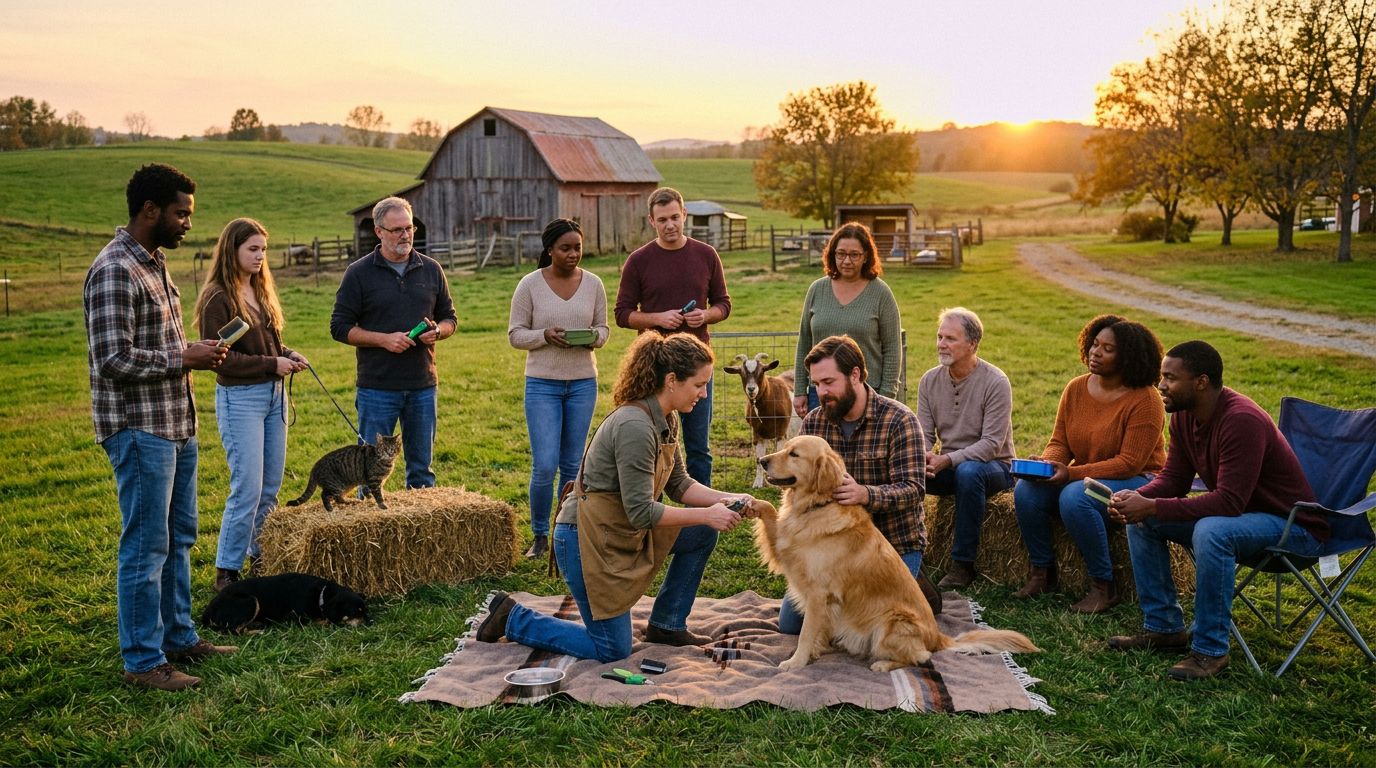
Animal rescue is not just about heroic saves but begins with a profound shift in mindset through education. Paws for Compassion in Vietnam exemplifies this, emphasizing the need for compassion and community awareness to alleviate the root causes of animal neglect. While traditional rescues are vital, they serve only as a temporary fix in a world overflowing with strays. By instilling knowledge on responsible pet ownership and the value of kindness, we can break the cycle of abandonment and cruelty. True change stems from empowering communities, fostering compassion, and transforming how we interact with our four-legged companions, ultimately rendering rescue a relic of the past.
Kibble wasn’t about dogs — it was logistics

Kibble, the modern dog food staple, is less about canine welfare and more about human convenience and logistics. Born from the need for cost-effective, shelf-stable solutions, its popularity is rooted in practicality rather than nutrition. While many assume kibble represents the best choice for dogs, it’s essential to recognize that widespread availability doesn’t equate to optimal care. Dogs are complex beings with unique needs, deserving of thoughtful feeding practices. Rather than defaulting to convenience, pet owners should ask how to truly nourish their furry friends. Small, intentional changes can make a significant difference in our pets’ lives. Awareness is key.
 Let Your Pawrenting Journey Begin