
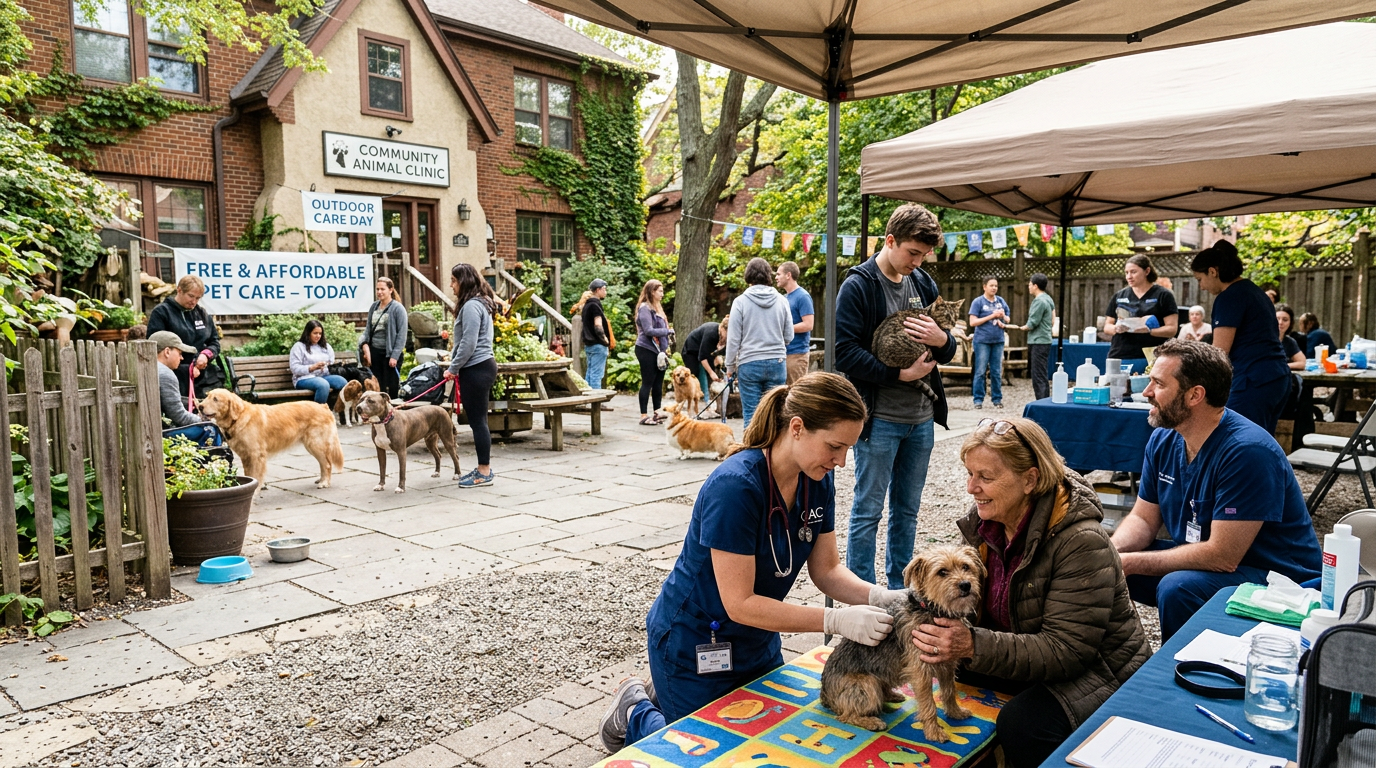
Rescue is just the tip of the iceberg in the animal welfare crisis. While swooping in to save individual lives evokes powerful emotions, it’s merely a band-aid on a festering wound. True transformation hinges on tackling root causes like overpopulation and neglect. Organizations are shifting their focus from reactive rescues to proactive strategies, emphasizing education and humane population control. By empowering communities to embrace responsible pet ownership and kindness towards animals, they lay the groundwork for cultural change. If we genuinely care, we must invest in prevention—because the real victory lies in stopping the suffering before it even begins.
Tag Archives: animalrescue
Small Acts, Big Impact: Donating $5 for Global Change
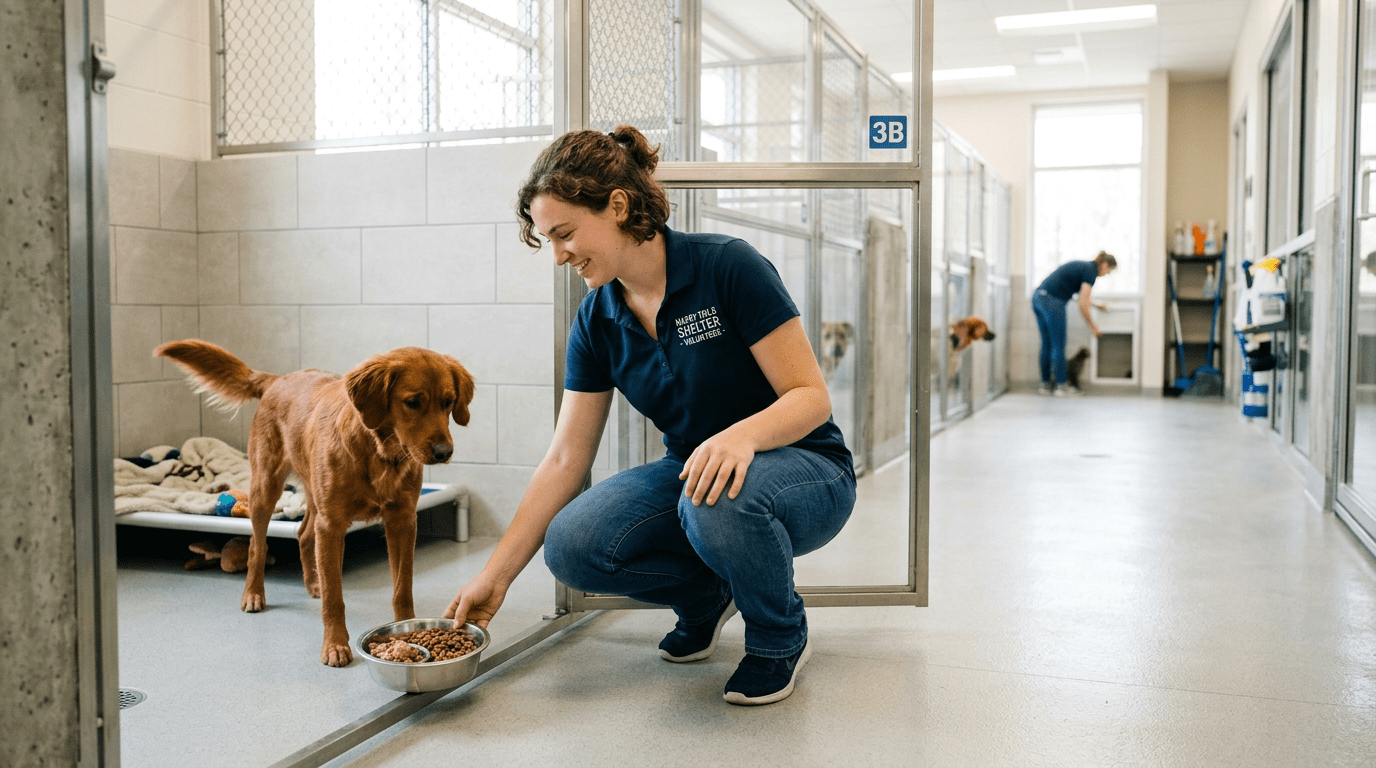
Why do we overlook the extraordinary power of a mere $5? This small contribution can catalyze monumental change, particularly in grassroots NGOs that thrive on limited resources. Every dollar is meticulously wielded to fund crucial vaccinations in Thailand, humane sterilization in India, or life-saving medical care for abandoned animals. These organizations transform that spare change into a lifeline, revolutionizing community attitudes toward compassion. A small act, often dismissed, can stitch together a vast network of care and support. So, the next time you reach for your wallet, remember: your $5 might just be the lifeline someone desperately needs.
Why Grassroots NGOs Are Key to Charity Success

Top-down charity is a failing model that often misses the mark on local needs. While international organizations gain attention, their disconnect from the complexities of specific communities leads to inadequate solutions. Grassroots NGOs shine by leveraging intimate knowledge of cultural and environmental contexts to address pressing issues. They don’t just provide aid but tackle the root causes of suffering with tailored, impactful strategies. It’s time to recognize these local champions who maximize every dollar and forge real change. If we truly want a compassionate global network, we must prioritize local efforts and acknowledge the power of community-driven support.
The Importance of Sterilization in Animal Welfare
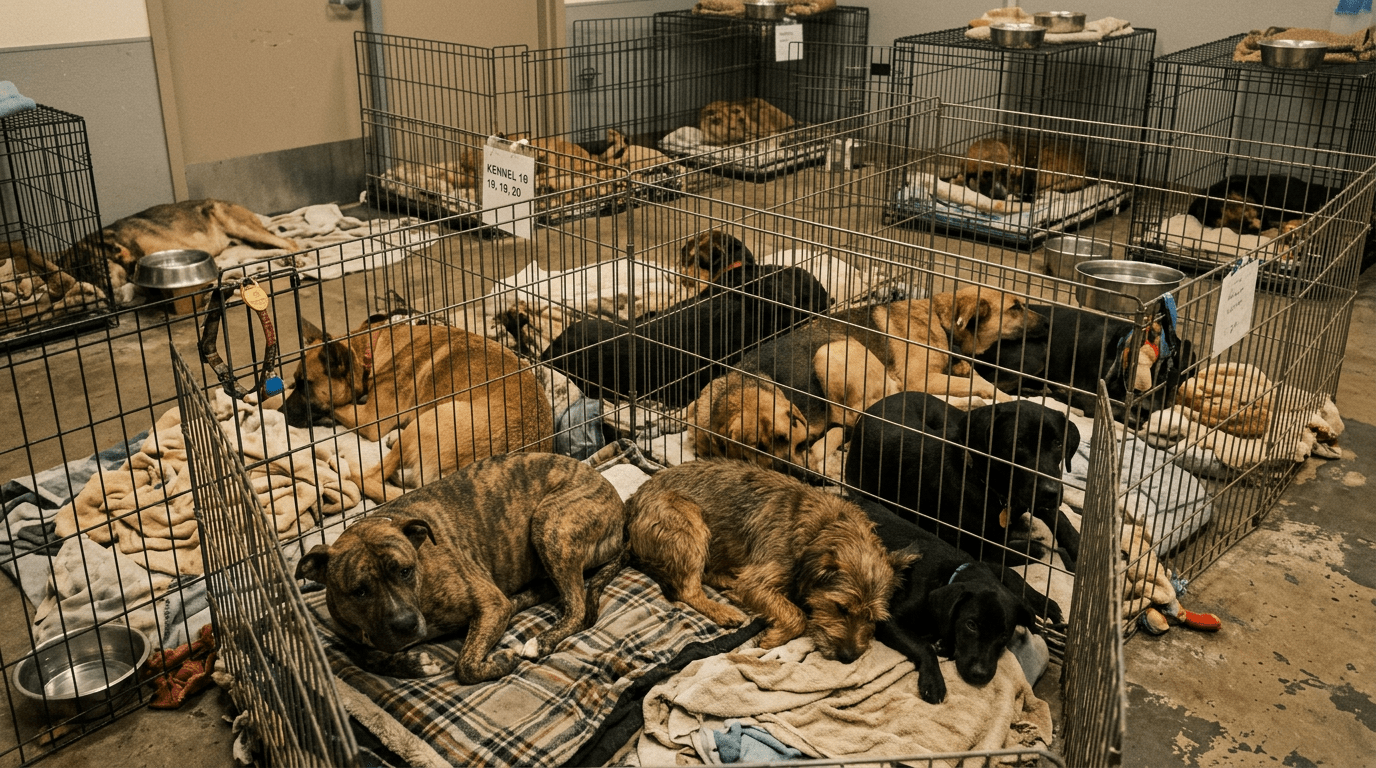
In a world awash with stray animals and overcrowded shelters, rescue efforts alone won’t cut it. The grim truth is that without effective population management through sterilization and vaccination, the cycle of suffering continues unabated. Organizations like Soi Dog Foundation and Red Paws Rescue grasp this reality, prioritizing humane interventions over temporary fixes. A single unsterilized dog can spark an epidemic of unwanted puppies and all the related horrors—disease, malnutrition, and human conflict. The key? Long-term commitment to preventing suffering, harnessing both compassion and scientific strategies. Embrace this reality, or be a bystander in a perpetually tragic narrative.
Why Sterilization and Vaccination Are Essential for Community Health
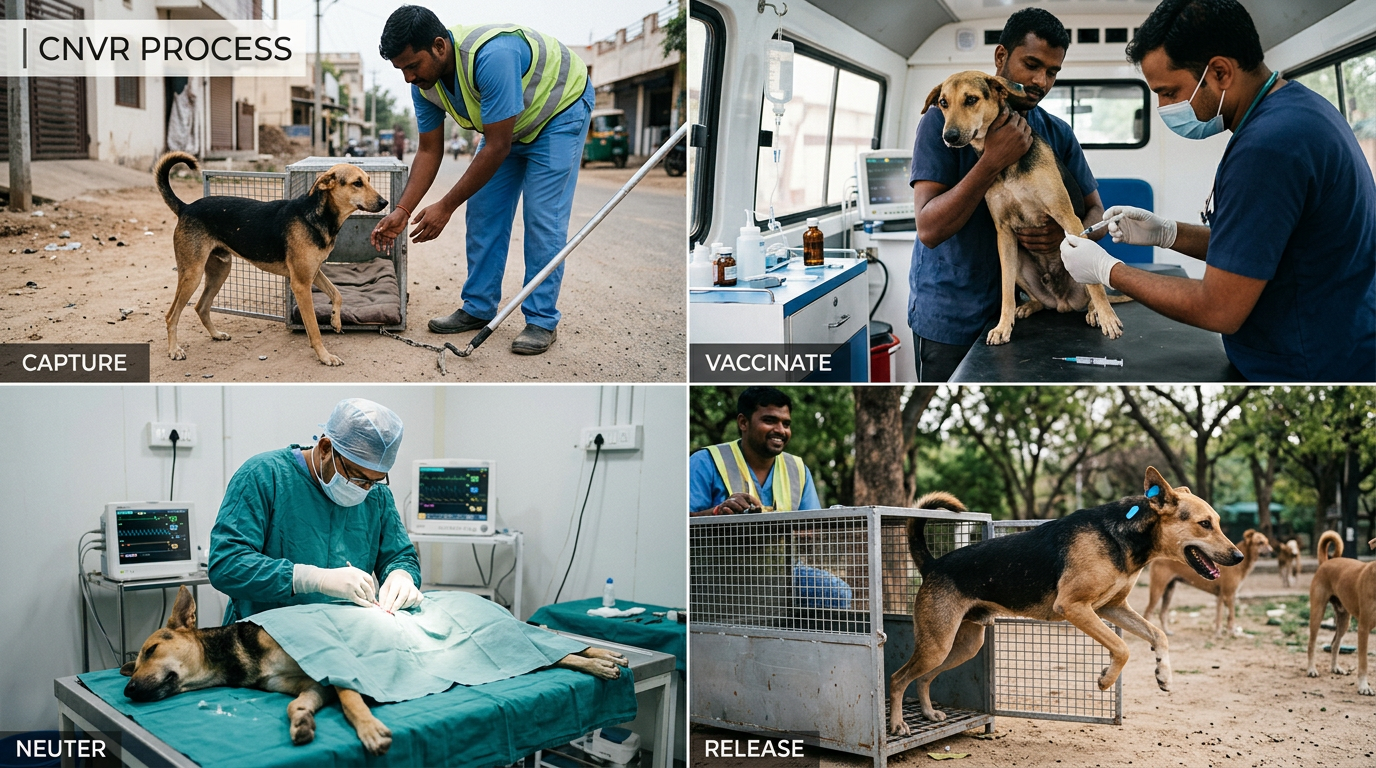
Stray population management is more than a compassionate gesture; it’s a public health imperative. The argument for sterilization and vaccination transcends mere kindness, positioning these methods as essential to bolster community safety and well-being. Organizations like Soi Dog Foundation and Red Paws Rescue are redefining approach by tackling overpopulation at its root, effectively curbing disease spread. This isn’t just charity—it’s a critical investment in healthier environments for both animals and humans. The narrative shifts: humane intervention is not optional; it’s a necessity for safeguarding communities. Embrace this science-driven perspective and challenge the status quo of stray management practices.
Patience and Trust: Lessons from Sauli the Belgian Malinois

“Sauli’s Journey” narrates the transformative tale of pet adoption through the bond between a Belgian Malinois and her new owner. It highlights themes of patience, trust, and connection amidst chaos, emphasizing the beauty of unspoken communication and the rewards of navigating the complexities of companionship and the adoption experience.
 Let Your Pawrenting Journey Begin