
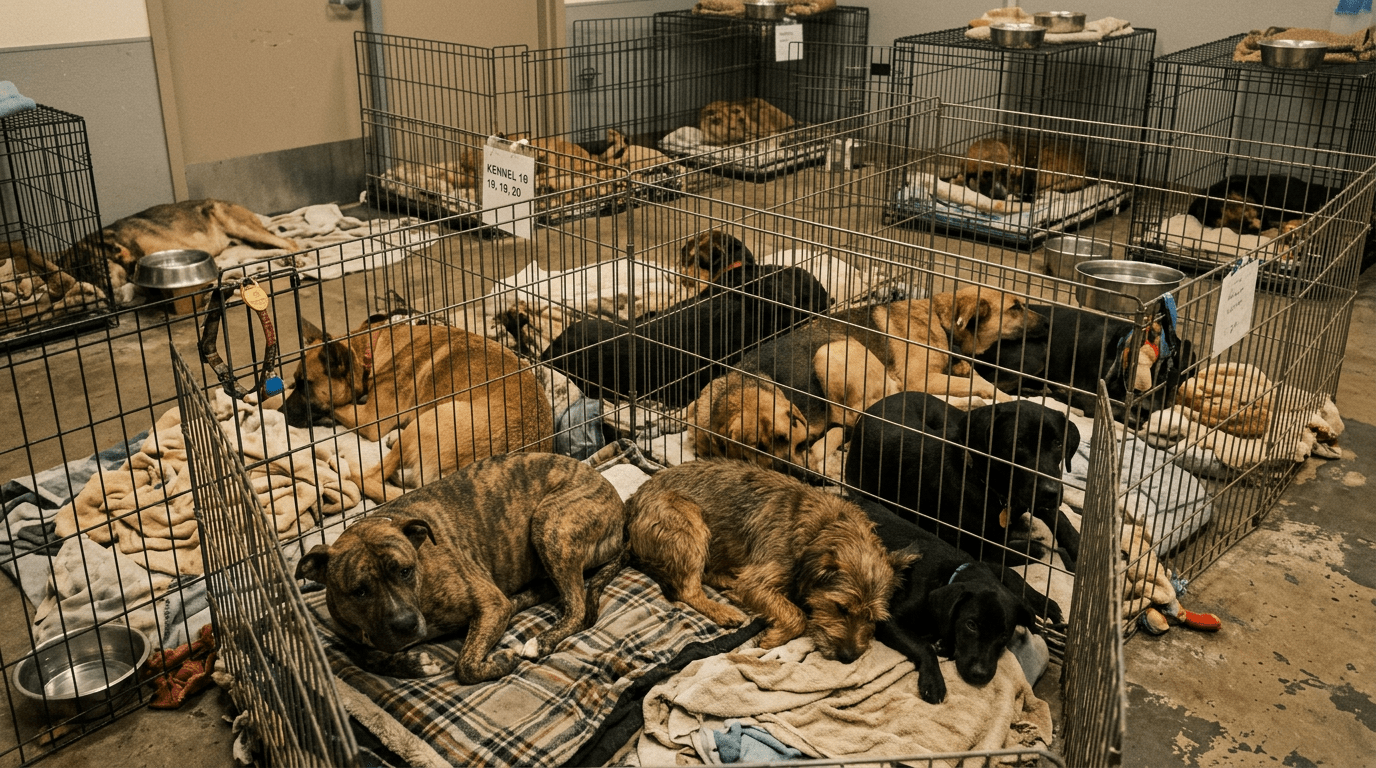
Behind every overcrowded shelter and every struggling stray animal population lies a difficult reality:
Rescue alone is not enough.
Without long-term population management, the cycle of suffering simply repeats itself.
This is why organizations like the Soi Dog Foundation in Thailand and Red Paws Rescue in India prioritize one of the most critical—and often misunderstood—areas of animal welfare: sterilization and vaccination.
At The Pawrenting Company, we believe these programs are among the most compassionate and scientifically effective tools available for protecting stray animals and improving public health.
Why Stray Populations Grow So Rapidly
A single unsterilized female dog and her offspring can contribute to hundreds of puppies over time.
In regions where access to affordable veterinary care is limited, stray populations can grow faster than communities are able to support them.
The consequences are severe:
- Malnutrition
- Disease outbreaks
- Traffic injuries
- Territorial conflicts
- Shelter overcrowding
- Increased abandonment
- Human-animal conflict
Animals born into these conditions often face lives marked by instability and suffering.
This is why preventative intervention matters so deeply.
The Science Behind Sterilization
Sterilization programs are designed to humanely reduce population growth over time.
Unlike harmful methods of population control used historically in some regions, sterilization addresses the issue at its root while allowing existing street animals to live healthier lives.
The benefits are significant:
- Reduced reproduction rates
- Lower aggression linked to mating competition
- Decreased risk of certain cancers and infections
- Improved community stability among stray dog populations
- Fewer puppies born into unsafe environments
Over time, consistent sterilization efforts create measurable decreases in stray populations.
This is not a quick solution.
It is a long-term commitment to sustainable welfare.
Why Vaccination Matters Equally
Vaccination programs are another cornerstone of effective animal welfare strategy.
In many countries, stray dogs remain vulnerable to preventable diseases such as rabies, parvovirus, and distemper.
Vaccinating street animals protects both animals and humans.
Rabies prevention, in particular, is one of the most important public health initiatives connected to animal welfare.
Organizations conducting mass vaccination drives are not only saving dogs—they are protecting entire communities.
This intersection between animal welfare and public health is often overlooked.
Healthy animal populations contribute to healthier cities.
The Challenge of Scaling These Programs
Sterilization and vaccination programs require enormous coordination.
NGOs must manage:
- Rescue logistics
- Veterinary partnerships
- Recovery spaces
- Transportation
- Funding
- Community cooperation
- Long-term monitoring
For small organizations operating on limited budgets, this work can be overwhelming.
And yet, rescue groups continue because they understand that prevention creates lasting impact.
Every sterilized dog represents fewer animals born into hardship.
Every vaccinated animal strengthens community safety.
Compassion and Science Can Work Together
One of the biggest misconceptions about animal welfare is that compassion and science exist separately.
In reality, the most effective welfare systems combine both.
Science provides scalable solutions.
Compassion provides the motivation to implement them.
Organizations like Soi Dog Foundation and Red Paws Rescue demonstrate what happens when evidence-based strategies meet relentless dedication.
At The Pawrenting Company, we believe meaningful animal welfare requires both emotional care and practical intervention.
Because saving lives is not only about rescue.
Sometimes, it is about preventing suffering before it begins.
 Let Your Pawrenting Journey Begin