

Animal welfare isn’t about pouring huge sums into big organizations; it’s about the transformative power of small, consistent contributions. Grassroots NGOs thrive on modest donations, volunteer efforts, and community engagement—where each small act creates a ripple effect of change. These organizations maximize limited resources, turning every dollar into immediate life-saving action. Whether it’s funding a vaccination or sharing an adoption post, every gesture counts. Sustainable animal rescue demands consistent support, allowing quick response in emergencies. Together, ordinary individuals wield extraordinary power, proving that compassion, amplified through community, can reshape the landscape of animal welfare. Your small action could spark a revolution.
Tag Archives: new pet owners
Beyond Rescue: Building a Compassionate Future for Animals
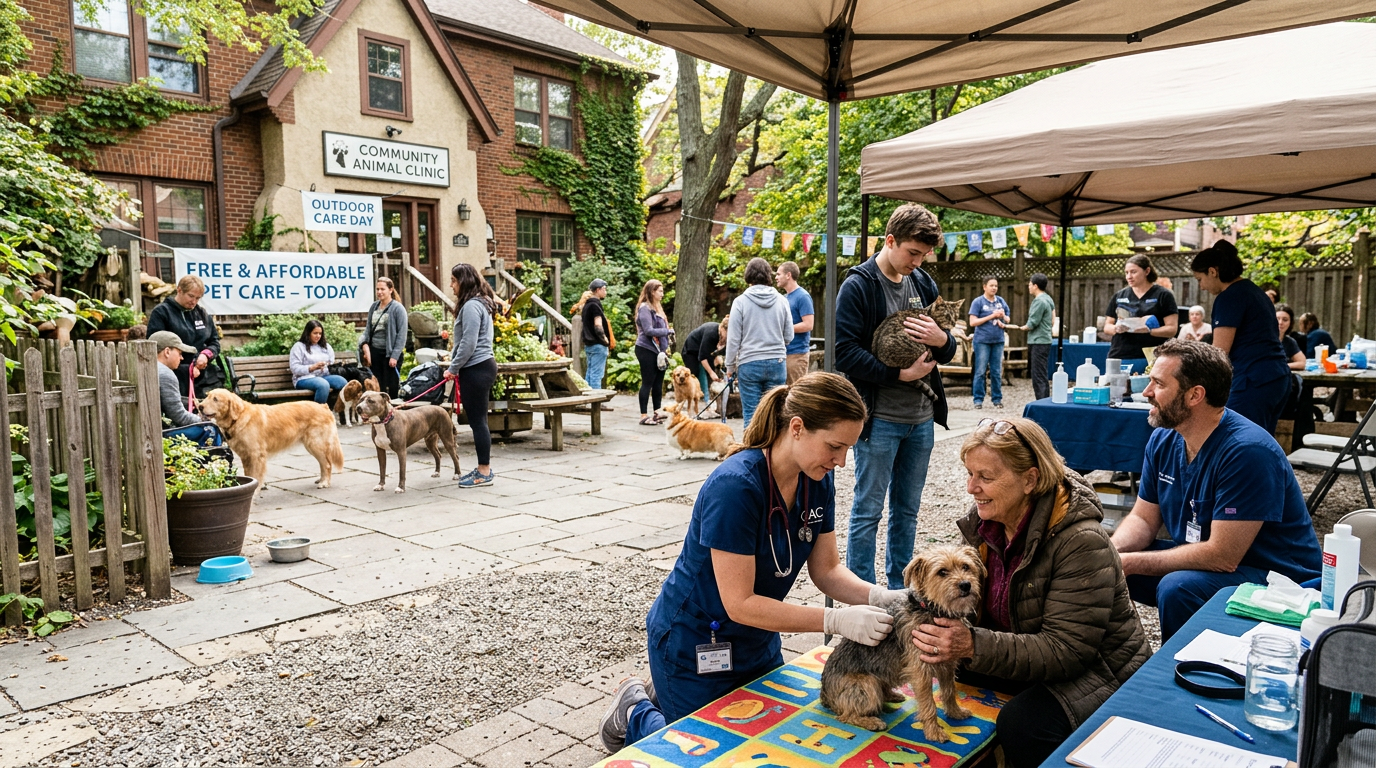
Rescue is just the tip of the iceberg in the animal welfare crisis. While swooping in to save individual lives evokes powerful emotions, it’s merely a band-aid on a festering wound. True transformation hinges on tackling root causes like overpopulation and neglect. Organizations are shifting their focus from reactive rescues to proactive strategies, emphasizing education and humane population control. By empowering communities to embrace responsible pet ownership and kindness towards animals, they lay the groundwork for cultural change. If we genuinely care, we must invest in prevention—because the real victory lies in stopping the suffering before it even begins.
Adopt, Don’t Shop: Transforming Lives Through Dog Rescue

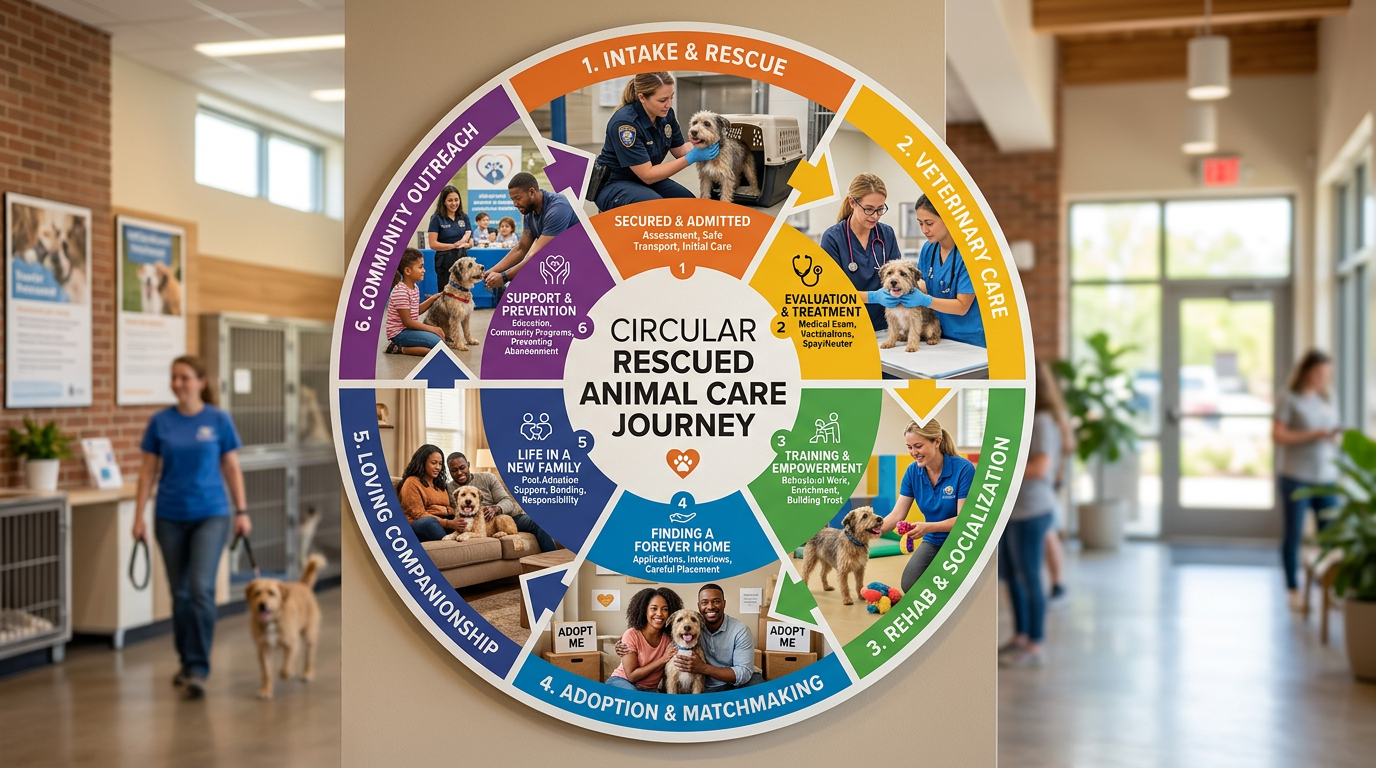
Every rescued dog embodies two powerful narratives: survival and the potential rebirth post-rescue. The Pawrenting Company highlights the often unseen but vital rescue process that turns fear into trust. Organizations like Red Paws Rescue operate under the “second chance” ethos, orchestrating a complex symphony of medical aid, behavioral support, and foster care. These foster homes are not merely transitions; they are transformative safe havens that set dogs on the path to healthy, loving adoptions. The “Adopt, Don’t Shop” movement empowers this ecosystem, fostering a culture of compassion that reshapes lives—both canine and human—proving that true rescue is about finding lasting homes and love.
The Reality of Animal Rescue Operations
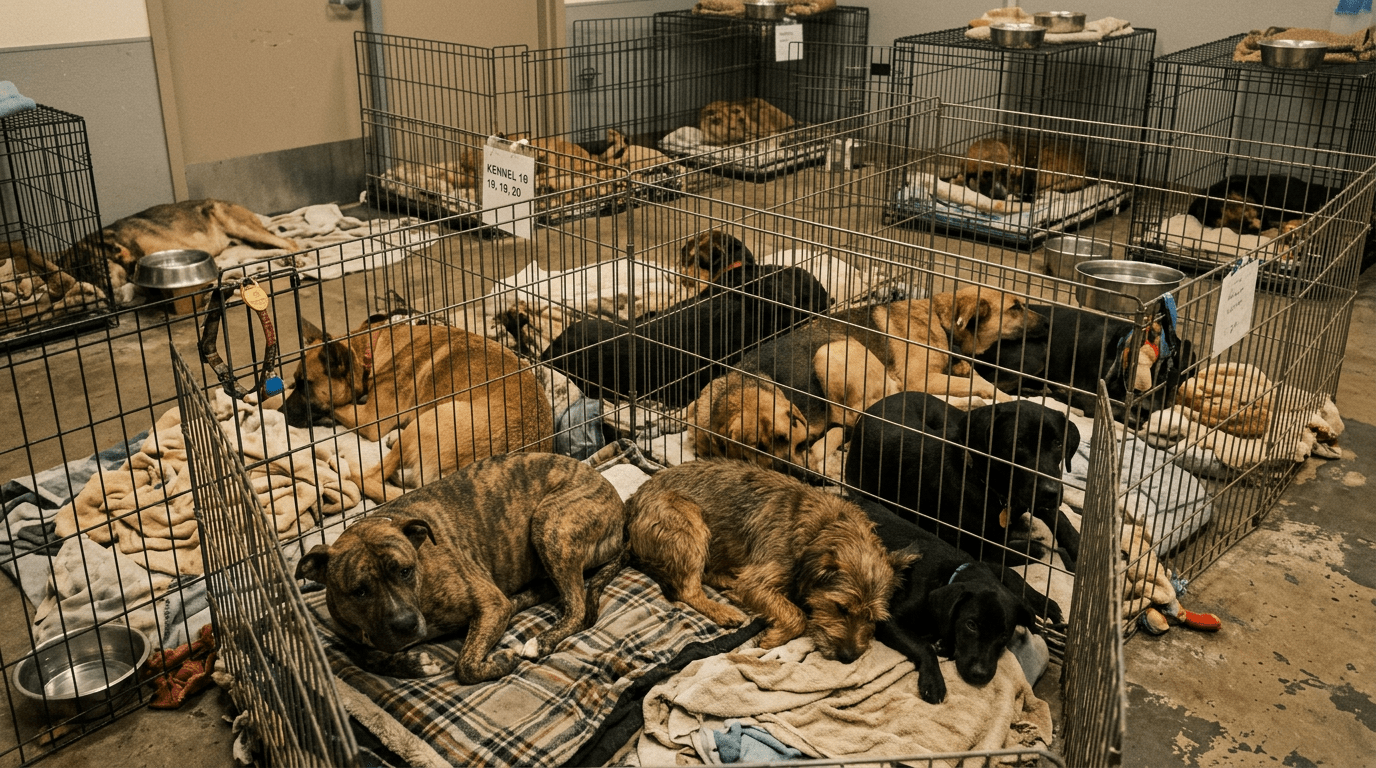
Animal sanctuaries are far from the idyllic havens we often envision. They are battlegrounds for compassion where dedicated teams fight against the clock—2 a.m. emergencies, overcrowded facilities, and relentless feeding schedules dominate their existence. The reality is grueling, filled with trauma and emotional exhaustion, as caregivers forge deep bonds with the animals while confronting loss daily. These sanctuaries are critical lifelines amid urban chaos, offering medical care, rehabilitation, and shelter for vulnerable creatures. Yet, it’s the unwavering commitment in the face of overwhelming challenges that truly embodies the essence of compassion. Here, love becomes an action, not just a feeling.
The Importance of Sterilization in Animal Welfare
In a world awash with stray animals and overcrowded shelters, rescue efforts alone won’t cut it. The grim truth is that without effective population management through sterilization and vaccination, the cycle of suffering continues unabated. Organizations like Soi Dog Foundation and Red Paws Rescue grasp this reality, prioritizing humane interventions over temporary fixes. A single unsterilized dog can spark an epidemic of unwanted puppies and all the related horrors—disease, malnutrition, and human conflict. The key? Long-term commitment to preventing suffering, harnessing both compassion and scientific strategies. Embrace this reality, or be a bystander in a perpetually tragic narrative.
Kibble wasn’t about dogs — it was logistics

Kibble, the modern dog food staple, is less about canine welfare and more about human convenience and logistics. Born from the need for cost-effective, shelf-stable solutions, its popularity is rooted in practicality rather than nutrition. While many assume kibble represents the best choice for dogs, it’s essential to recognize that widespread availability doesn’t equate to optimal care. Dogs are complex beings with unique needs, deserving of thoughtful feeding practices. Rather than defaulting to convenience, pet owners should ask how to truly nourish their furry friends. Small, intentional changes can make a significant difference in our pets’ lives. Awareness is key.
Is home cooking dogs an industry threat

Home cooking for dogs is shaking up the pet food industry, but not in the way you might think. As dog parents demand fresher, simpler, and more transparent options, they’re swapping big-brand kibble for homemade meals. This shift isn’t just a culinary trend; it’s a rebellion against outdated norms and heavily processed food. While home cooking requires commitment and knowledge, it fosters a genuine connection between owner and pet. Instead of a direct threat to major brands, it’s a wake-up call that reveals a community of empowered pet owners seeking better nutrition. The future is personal, and it’s delicious.
3 Beginner Mistakes When Cooking for Dogs

So, you’ve fancied yourself a canine chef? Hold your apron! The truth is, cooking for dogs isn’t as easy as slapping together gourmet meals. The first sin? Treating your furry friend like a dainty human; their digestive system isn’t a fan of human food, so ditch the fancy spices. Second, balance is key—just because they wolf down anything doesn’t mean it’s nutritious. And finally, don’t cold-turkey switch from kibble to homemade goodness overnight; ease your pup into the new diet to avoid stomach chaos. Cook with love, but remember: it’s not art—it’s science! And your dog is hungry now!
 Let Your Pawrenting Journey Begin