
Stop Bandaging the Problem: Why Education and Prevention Are the Ultimate Cures
When we think about animal welfare, the first image that often comes to mind is rescue. A dog pulled from the streets, a wounded cat receiving treatment, or an abandoned animal finally finding safety—these moments are powerful, emotional, and deeply important. Every life saved is a victory.
But an important question remains: is rescue alone enough, or are we only treating the symptoms of a much larger crisis?
To create lasting change, animal welfare efforts must go beyond emergency response. Rescue may save an individual life, but education and prevention are what transform communities. Rather than simply bandaging the problem, many grassroots NGOs are now focusing on the root causes of animal suffering and neglect.
Looking Beyond Immediate Rescue
Physical rescue is essential, but it is often reactive. It addresses the visible consequences of a deeper issue—homelessness, overpopulation, neglect, and lack of awareness. Without tackling these underlying causes, the cycle continues.
That is why prevention has become one of the most powerful tools in modern animal welfare work. By investing in long-term solutions, organizations can reduce suffering before it begins.
Prevention Starts with Population Control
One of the most effective ways to prevent animal suffering is through humane population control, especially sterilization programs. Countless stray animals are born into environments where food, shelter, and medical care are scarce. Many face disease, injury, abuse, or abandonment from the very start of life.
Organizations such as Paws for Compassion and the Soi Dog Foundation are helping change this reality. Through sterilization initiatives and community outreach, they are working to ensure that fewer animals are born into lives of hardship.
This approach does more than reduce numbers—it protects future generations from preventable suffering.
Education Creates Lasting Change
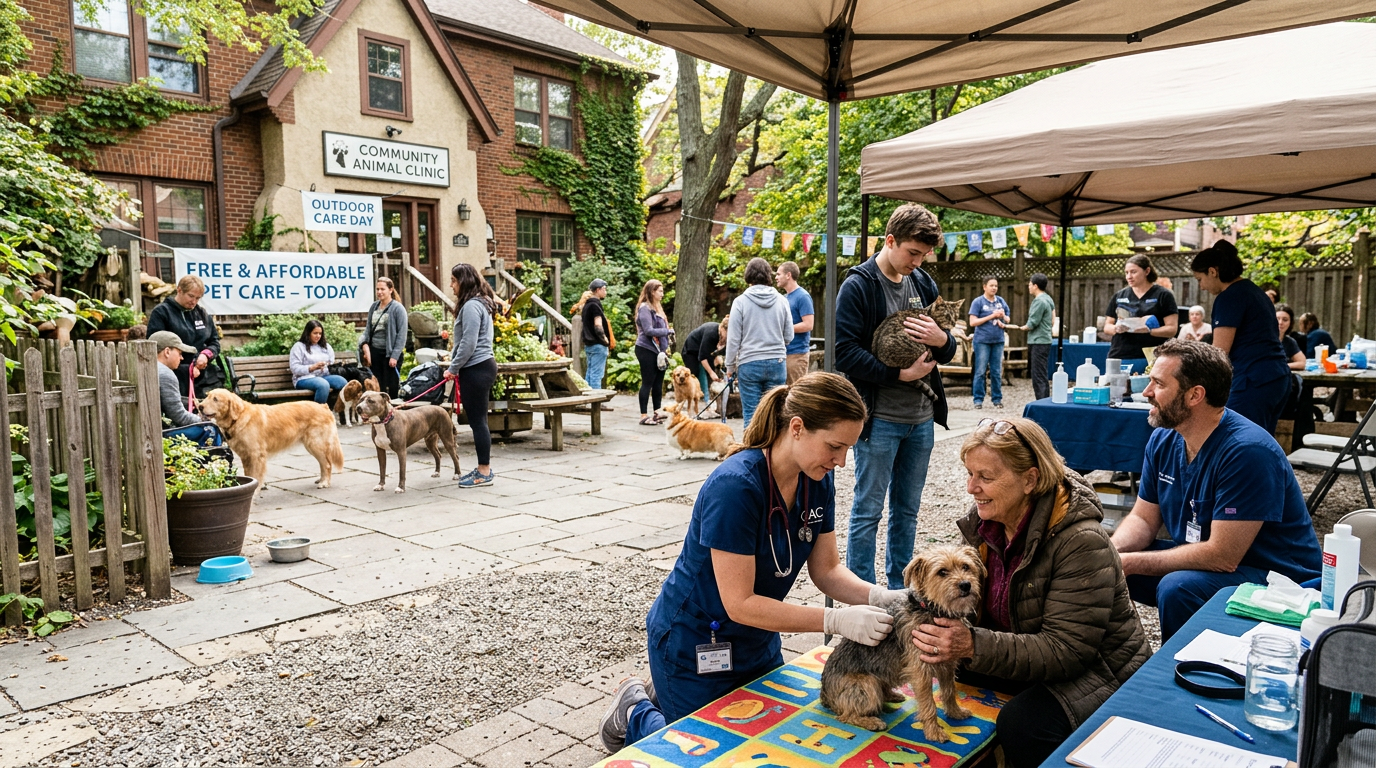
Prevention is not only about medical intervention; it is also about changing mindsets. Communities play a critical role in shaping the lives of animals around them, and education can be the difference between neglect and compassion.
By promoting responsible pet ownership, teaching kindness toward animals, and encouraging communities to understand their role in animal welfare, NGOs are planting the seeds for long-term cultural change.
When people learn how to care for animals properly, the impact reaches far beyond one rescue story. It creates neighborhoods, cities, and eventually societies that are more informed, empathetic, and proactive.
The Unsung Heroes of Prevention
The organizations doing this work are often the unsung heroes of animal welfare. Their efforts may not always be as visible as dramatic rescue missions, but their impact is profound.
They are building systems of care that prevent suffering before it happens. They are reducing abandonment, limiting overpopulation, and fostering communities where animals are treated with dignity and kindness.
In many ways, this is the most sustainable form of rescue: stopping the crisis before it begins.
Building a Global Network of Care
The fight for animal welfare cannot rely on rescue alone. It requires a broader vision—one that combines immediate intervention with education, prevention, and community involvement.
By supporting grassroots NGOs and their preventative efforts, we help build a world where fewer animals need saving in the first place. That is the ultimate goal: not just to heal the wounds of neglect, but to create a society where those wounds are less likely to happen at all.
Because in the end, the greatest act of compassion is not only rescuing an animal in need—it is creating a world that prevents that need from arising.
 Let Your Pawrenting Journey Begin