

Our Stories
Welcome to a realm of limitless pawrenting possibilities. Each journey with your furry friend is as exhilarating as the destination. Every shared moment provides a chance to leave your unique paw print on the canvas of existence. You can craft stories filled with joy, laughter, and love. The only limit in this adventure is the extent of your imagination.
From the blog





Latest Posts
Welcome to a world of Pawrenting, where the thrills of shared experiences ignite joy and laughter. The journey is filled with adventures, as exhilarating as the destination, with each day bringing new opportunities for exploration. Start with early morning walks in the park. Then enjoy cozy afternoons spent cuddling on the couch. Every moment is a chance to connect with your furball. You can make memories that could last for a lifetime! As you navigate the ups and downs of pet parenthood, you’ll discover the unique bond that forms through play. Training and quiet times together further strengthen this bond. These experiences create a tapestry of unforgettable moments. They enrich both your lives.
-
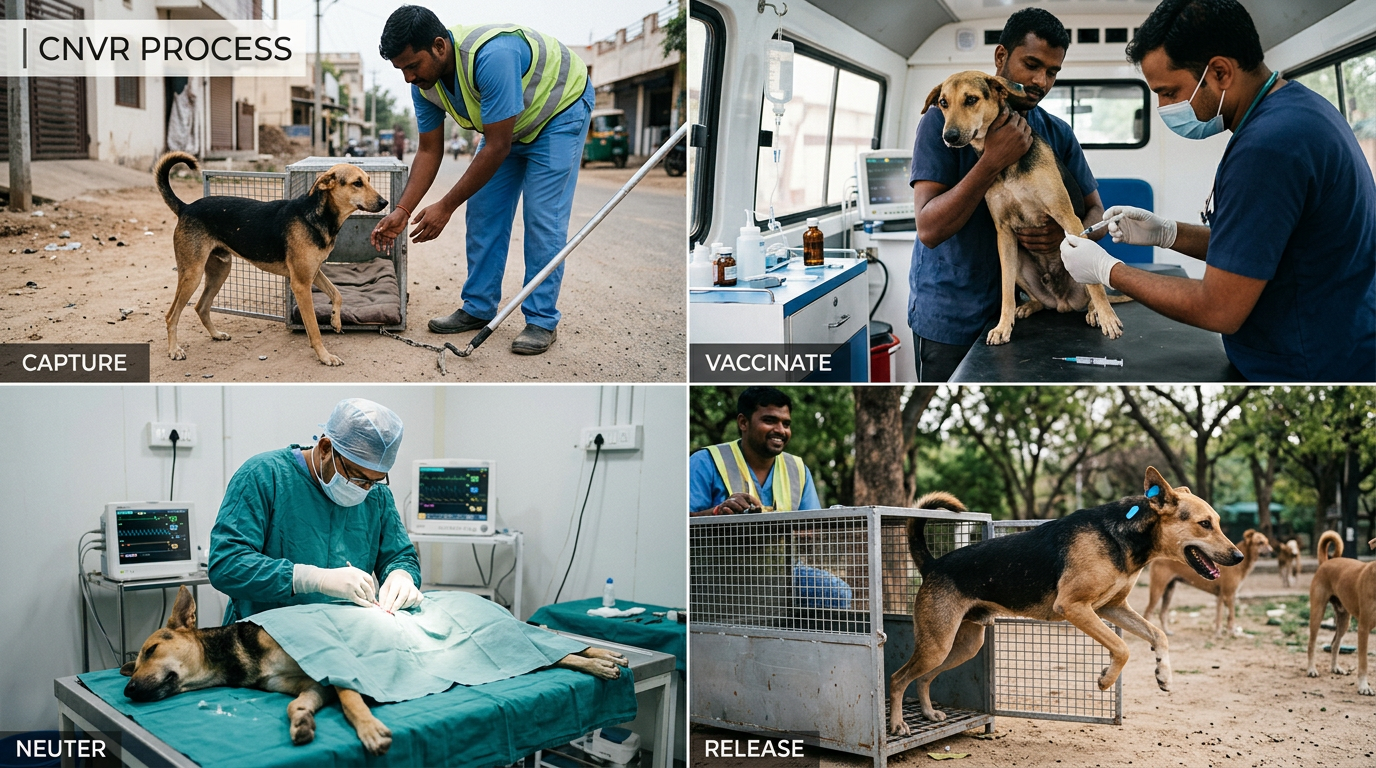
CNVR: Public Health, Not Charity—The Science of Population Control
Is managing stray populations simply an act of kindness, or is it a critical public health necessity? The answer lies in science-based intervention. Programs focused on sterilization and vaccination are not just humane solutions—they are essential for protecting community health and safety.
Organizations such as the Soi Dog Foundation and Red Paws Rescue are leading the way by prioritizing these effective methods. Their work goes beyond traditional rescue efforts, addressing the root causes of stray overpopulation while helping prevent the spread of disease.
These boots-on-the-ground initiatives are far more than acts of compassion. They are vital public health services that safeguard both animals and people, proving that humane stray management is not just the right thing to do—it is a necessary investment in healthier, safer communities.
Watch the full episode on The Pawrenting Company Podcast
-
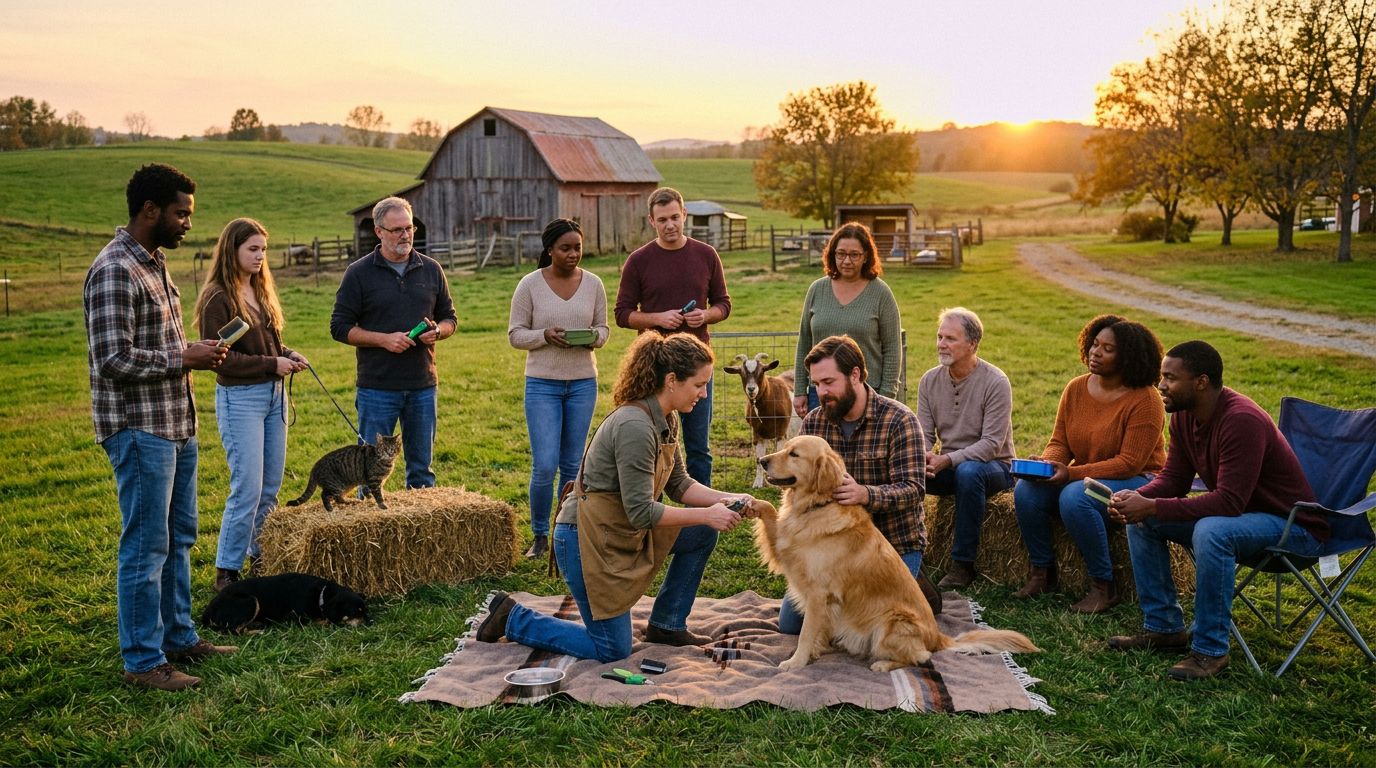
When we picture animal rescue, our minds often go straight to the high-stakes moments: the midnight missions, the emergency vet visits, and that beautiful moment a dog finally finds their family.
But there’s a quieter, deeply powerful kind of rescue that happens long before an animal ever needs saving.
It starts with a simple conversation, a shared lesson, and a spark of understanding. It starts with education.
In Vietnam, our friends at Paws for Compassion are showing us that to truly protect these animals, we have to do more than just step in when things go wrong. We have to reach into the heart of the community and transform how we all think about care, empathy, and our shared responsibility to the creatures we live alongside.
At The Pawrenting Company, we’re moved by this approach because we know that while a rescue saves one life, education has the power to change thousands.
Rescue is the heartbeat of what we do, but education is the cure for the system itself.
It’s how we build a world where rescue is no longer a necessity, but a memory.
Why Rescue Without Education Has Limits
It’s a heartbreaking cycle: so many rescue groups are running as fast as they can, yet the number of strays needing help just keeps growing.
If we don’t look at why animals are being abandoned or neglected in the first place, our shelters will always be overflowing, and our hearts will always be heavy.
That’s why talking to our neighbors and teaching our children is the most important work we can do.
Groups like Paws for Compassion aren’t just looking for the next animal in danger; they’re looking for the next opportunity to prevent that danger from ever happening through kindness and awareness.
They’re helping people truly understand what it means to be a “pawrent”:
- Responsible pet ownership
- The importance of sterilization
- Basic veterinary care
- Animal behavior and emotional needs
- Compassionate treatment of strays
- Long-term adoption responsibilities
These simple, human moments of learning create a ripple of compassion that touches lives far beyond a single rescue mission.
Changing Culture Through Compassion
The way we see animals is something we learn from our families and our culture over many years.
In many places, people simply haven’t had the chance to learn about pet care, especially in busy, growing cities where life moves so fast.
This is where local, grassroots teams make such a difference.
By showing up in schools and meeting people where they are, they open doors to empathy that might have stayed closed forever.
And the most beautiful part? They do it with open arms, not wagging fingers.
Real education isn’t about making someone feel bad for what they don’t know.
It’s about inviting them to see the world—and the animals in it—with new eyes.
When we empower a community with knowledge, the animals feel it immediately.
Children learn kindness.
Families make informed choices.
Adoption rates improve.
Cruelty decreases.
Preventative care increases.This is how we change a culture—one heart, one classroom, and one neighbor at a time.
The Link Between Education and Sustainable Rescue
One of the hardest things about rescue work is that it often feels like trying to hold back the tide with a bucket.
So many NGOs spend every waking hour just trying to keep their heads above water, bouncing from one emergency to the next.
But education? Education is the boat that carries them forward.
When people understand sterilization, fewer unwanted litters are born.
When people understand veterinary care, preventable illnesses decrease.
When people understand commitment, abandonment rates decline.Think of education as “preventative rescue.”
It stops the pain before it even has a chance to begin.
Building a More Compassionate Future
What inspires us most about teams like Paws for Compassion is their unwavering belief in people.
The belief that empathy can be awakened, that kindness can be taught, and that we can all grow together.
At the end of the day, animal welfare isn’t just about the dogs and cats.
It’s about us. It’s about our humanity.
How we treat the most vulnerable among us is a mirror of who we are as a society.
At The Pawrenting Company, we know that compassion is contagious.
And every time we share a story, teach a child, or have an honest talk about animal care, we’re building a future where every animal is more than just “rescued”—they are truly seen, loved, and respected.
-
Kibble wasn’t about dogs — it was logistics
When most of us think about kibble, we think about nutrition, convenience, or maybe even what our dogs like best. We imagine bright bags lined up on pet store shelves, each promising shinier coats, healthier digestion, and happier lives.
But the truth is, kibble wasn’t originally about dogs.
It was about logistics.
It was about solving a human problem: how to feed animals in a way that was cheap, shelf-stable, easy to transport, easy to store, and easy to sell at scale.
And once you see that, it changes the way you think about what ends up in your dog’s bowl.
The real reason kibble took over
Kibble became popular not because it was the most natural way to feed dogs, but because it fit modern life perfectly.
It could sit on a shelf for months.
It could be manufactured in huge quantities.
It was easy for companies to package, ship, warehouse, market, and distribute.
For busy households, it also solved a daily problem. No chopping, no cooking, no planning, no mess. Just scoop and serve.
From a systems perspective, kibble was brilliant.
From a dog’s perspective, the answer is more complicated.
Convenience shaped the conversation
Over time, convenience became so normal that many of us stopped questioning it.
We started assuming that if kibble was common, it must also be the gold standard. If it was recommended everywhere, sold everywhere, and fed everywhere, it must be the obvious choice.
But popularity doesn’t always equal optimal care.
Sometimes it just means a product fits the supply chain.
That doesn’t mean kibble is automatically “bad,” and it doesn’t mean every dog should eat the same way. But it does mean we should be honest about why kibble became dominant in the first place.
Its success was built as much on efficiency as on animal health.
Dogs are living beings, not storage problems
This is the part that matters most.
Dogs are not warehouse inventory. They’re not machines designed to run on the most portable fuel source available. They are living beings with individual needs, preferences, sensitivities, and rhythms.
Yet many feeding decisions are still made around what is easiest for the human system:
• What lasts longest
• What costs least per serving
• What ships easiest
• What stores neatly
• What requires the least effort at mealtime
Again, those concerns are real. Life is busy. Budgets matter. Time matters.
But when convenience becomes the only lens, we risk forgetting the actual dog in front of us.
The question worth asking….
Instead of asking, “What do most people feed?”
A better question might be:
“What helps my dog thrive, and what can I realistically sustain?”
That question creates room for nuance.
Maybe kibble is part of the answer for your home. Maybe you add fresh food on top. Maybe you rotate proteins. Maybe you cook occasionally. Maybe you move slowly toward less processed meals.
It doesn’t have to be all or nothing.
Small changes still matter
You do not need to become a canine nutrition expert overnight to feed your dog more thoughtfully.
Sometimes the most meaningful shifts are simple:
• Adding fresh, dog-safe whole foods
• Reading ingredient labels more carefully
• Paying attention to your dog’s digestion, energy, skin, and coat
• Choosing quality over marketing language
• Thinking about feeding as care, not just routine
These aren’t perfectionist moves.
They’re attentive moves.
And dogs benefit from attentive care.
Food is about more than fuel
For many of us, feeding our dogs is one of the most repeated acts of love in daily life.
It’s not just a task we check off. It’s a relationship.
The bowl you prepare says something, even if quietly:
“I’m paying attention.”
“I want you well.”
“I’m learning.”
“I care enough to ask better questions.”
That’s why this conversation matters.
Not because every dog owner must reject kibble. But because every dog owner deserves to understand the system behind it.
Kibble changed pet feeding because it made life easier for humans and industry. That’s the logistical truth.
But once we know that, we get to make more conscious choices.
We get to pause and ask whether convenience has been driving the bowl more than our dog’s actual needs.
And maybe that’s the real shift.
Not guilt. Not extremes. Just awareness.
Because when we feed our dogs with a little more intention, we stop treating food like a product alone.
Watch the latest episode of The Pawrenting Company Podcast!
 Let Your Pawrenting Journey Begin