
Our Stories
Welcome to a realm of limitless pawrenting possibilities. Each journey with your furry friend is as exhilarating as the destination. Every shared moment provides a chance to leave your unique paw print on the canvas of existence. You can craft stories filled with joy, laughter, and love. The only limit in this adventure is the extent of your imagination.
From the blog


Latest Posts
Welcome to a world of Pawrenting, where the thrills of shared experiences ignite joy and laughter. The journey is filled with adventures, as exhilarating as the destination, with each day bringing new opportunities for exploration. Start with early morning walks in the park. Then enjoy cozy afternoons spent cuddling on the couch. Every moment is a chance to connect with your furball. You can make memories that could last for a lifetime! As you navigate the ups and downs of pet parenthood, you’ll discover the unique bond that forms through play. Training and quiet times together further strengthen this bond. These experiences create a tapestry of unforgettable moments. They enrich both your lives.
-
The Heart of Animal Welfare
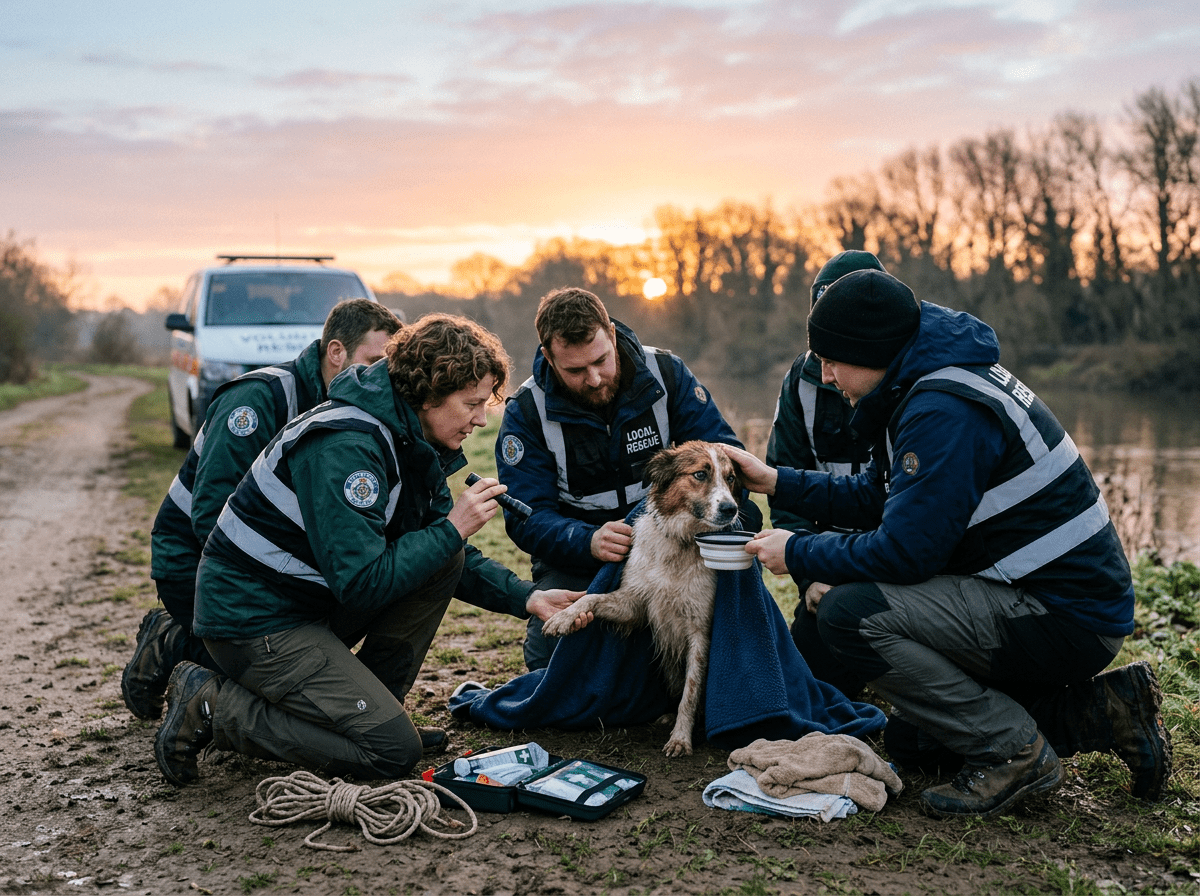
When we think of animal rescue, we often imagine the big names—the global charities with famous faces and big budgets. But look a little closer, and you’ll find another world entirely. It’s a world powered by frantic WhatsApp pings, shelters that always seem to have room for one more, and kind souls who answer emergency calls in the middle of the night. These are the people saving the animals that everyone else overlooks.
These are the small, local NGOs.
They aren’t just part of the system; they are its very soul.
In every neighborhood, these small teams are the first responders for the forgotten. They are the ones kneeling in the rain to help a dog hit by a car, or staying awake for days to bottle-feed a tiny, orphaned kitten. They do this while juggling their own jobs and rent, often using their last bit of energy to find just one more foster home.
At The Pawrenting Company, we see their quiet strength, and we think it’s time we all gave them the credit they deserve.
Why Local NGOs Matter So Much
While global organizations do great work, local rescuers live and breathe the specific needs of their own streets. They know the community, the local dangers, and the people.
A volunteer in Mumbai knows exactly how to protect strays when the monsoons hit. A team in Bangkok understands how new buildings are pushing local cats out of their homes. A group in Vietnam knows how to talk to their neighbors about why caring for a pet matters.
That personal connection changes everything.
It means they can act instantly. There are no long forms to fill out or boards to consult—just a group of people deciding to help. One text can start a chain reaction that saves a life in minutes.
Most of these groups are held together by nothing but pure dedication. These volunteers don’t have extra time or money to spare.
They show up because they care too much to walk away.
The Emotional Labor Nobody Talks About
The truth is, rescue work is heavy. It’s not just about logistics; it’s about what stays with you.
Rescuers see the very worst things that can happen to an animal. They carry that weight while trying to stay soft and patient for the next frightened soul they take in.
The joy keeps them going, though. Seeing a dog wag its tail for the first time after weeks of fear, or watching an old cat finally curl up in a warm bed—those are the moments that make the struggle worth it.
Small NGO workers often witness the harshest realities of neglect and cruelty while simultaneously trying to remain emotionally available enough to rehabilitate frightened animals and reassure adopters.
But they also face the losses that no one sees—the ones that didn’t make it in time, the empty bank accounts, and the quiet burnout that comes from giving everything you have.
And yet, they keep going. Not because they have to, but because they know the animals are still waiting for them.
Why Supporting Small NGOs Creates Massive Impact
When you support a small NGO, your impact is incredibly clear. There’s no mystery about where the help goes.
A single donation can directly fund:
- Emergency surgeries
- Sterilization drives
- Vaccinations
- Shelter food supplies
- Transportation for rescues
- Temporary fostering
- Rehabilitation care
In these groups, every cent is stretched to its limit. Volunteers are experts at making the impossible happen with very little, whether it’s bargaining for vet bills or personally driving animals across the city to find a foster home.
Your donation isn’t just a number to them; it’s a surgery, a month of food, or a life-saving vaccine. Every share on social media and every person who chooses to adopt makes their world a little easier to manage.
The Future of Animal Welfare Starts Locally
Real change doesn’t start at the top. It starts with one person deciding to pull over and check on a stray. It starts with a local team refusing to give up on a “difficult” case.
At The Pawrenting Company, we believe the future of animal welfare is local. It depends on these small, determined teams of humans who choose compassion every single day, even when they’re tired, and even when it’s hard.
The world is a kinder place because they refuse to look away. And the least we can do is stand with them.
-
Is Home Cooking Dogs an Industry Threat?
Let’s address the question that might make the pet food aisle a little nervous: is home cooking for dogs becoming an industry threat?
Short answer? Maybe a little.
But not because dog parents are suddenly trying to overthrow billion-dollar pet food brands with tiny aprons and sweet potato mash. It’s because more people are starting to ask a very simple question:
What’s actually going into my dog’s bowl?
And once that question lands, everything changes.
The Rise of the Curious Pawrent
Today’s dog parents are not just buying food — they’re reading labels, comparing ingredients, watching videos, joining communities, and swapping tips on everything from gut health to pumpkin puree. The modern pawrent is informed, emotionally invested, and increasingly suspicious of anything that sounds like it belongs in a chemistry lab.
That’s where home cooking enters the chat.
Homemade dog food feels personal. It feels intentional. It feels loving. And honestly, when you’re chopping carrots for your pup while they stare at you like you’re a Michelin-star chef, it also feels a little magical.
Why Home Cooking Feels So Powerful
Home cooking isn’t just about food. It’s about connection.
For many dog owners, preparing a meal at home feels like a way to take control, show care, and build a stronger bond. You know what’s in the bowl. You can tailor meals to your dog’s preferences. And you get the satisfaction of saying, “Yes, I made that,” while your dog dances in circles nearby.
There’s also a growing belief that fresher, simpler ingredients can be better than heavily processed alternatives. Whether people are fully replacing kibble or just adding fresh toppers, they’re looking for ways to make meals feel more wholesome.
So… Is the Pet Food Industry Worried?
Probably not in a dramatic, thunderstorm, evil-boardroom way.
But they are definitely paying attention.
Why? Because consumer behavior is shifting.
When enough people start wanting:
• fresher ingredients
• simpler recipes
• more transparency
• personalized nutrition
• less processing
…the market responds.
That’s why we’re seeing more fresh pet food brands, human-grade meal services, customized subscriptions, and marketing built around “real food.” The industry may not be collapsing, but it is absolutely evolving.
In that sense, home cooking is less of a threat and more of a wake-up call.
The Homemade Reality Check
Now before we crown ourselves the revolutionaries of the dog bowl, let’s be honest: home cooking is not always easy.
It takes:
• time
• planning
• nutritional awareness
• consistency
• the ability to resist giving your dog “just a little extra” of everything
And that last one? Very difficult.
Because cooking for dogs starts innocently. One minute you’re steaming veggies. The next minute you’re wondering if your dog would prefer quinoa over rice and whether you should meal prep in glass containers.
Also, not every homemade meal is automatically balanced. Dogs have specific nutritional needs, and feeding them requires more thought than simply sharing bits of whatever you had for dinner.
So while home cooking is exciting, it works best when it’s done thoughtfully.
Maybe the Real Threat Is the Old Way of Thinking
The real question may not be whether home cooking is a threat to the pet food industry.
Maybe the real threat is to the idea that dog food should be:
• one-size-fits-all
• heavily processed without question
• chosen based only on branding
• disconnected from the individual dog
Dog parents want better. They want options. They want education. They want to feel empowered, not confused.
And home cooking represents all of that.
It says: I want to be more involved. I want to understand. I want to do better if I can.
That’s not a threat. That’s a shift.
Final Thoughts
So, is home cooking dogs an industry threat?
Not exactly.
But it is a signal.
A signal that dog owners care more deeply than ever.
A signal that convenience is no longer enough on its own.
And a signal that the future of dog nutrition may be more personal, more transparent, and a lot more delicious.
Whether you fully home cook, mix fresh food into your dog’s bowl, or simply start paying closer attention to ingredients, one thing is clear:
The parents are paying attention now.
And that might be the biggest change of all.
Watch the latest episode of The Pawrenting Company Podcast!
-
3 Beginner Mistakes When Cooking for Dogs
So, you’ve decided to become your dog’s personal chef. Bold move. Somewhere between the tail wags, dramatic staring, and suspiciously fast bowl-licking, it’s easy to believe you’ve been called to a higher purpose: canine cuisine.
But before you start plating up a five-star meal for Sir Barks-a-Lot, let’s talk about a few rookie mistakes. Because while your dog may act like a food critic with very strong opinions, their stomach has its own rules.
1. Treating Your Dog Like a Tiny Hairy Human
This is the classic beginner mistake.
You’re chopping veggies, drizzling oils, adding a little seasoning, maybe thinking, “If it’s healthy for me, it must be healthy for my dog too.”
Wrong. So very wrong.
Dogs are adorable, loyal, emotionally complex creatures — but they are not tiny humans in fur coats. Some ingredients that belong in your dinner absolutely do not belong in their bowl.
So if your dog’s meal starts looking like a fancy brunch special, it may be time to step away from the spice rack.
Better idea:
• Keep it simple
• Keep it plain
• Keep it dog-safe
Your pup does not need rosemary-infused reduction sauce. Your pup needs food that won’t make their stomach file a formal complaint.
2. Making Meals That Are Tasty… but Totally Unbalanced
A lot of beginner dog chefs make one meal, see their dog inhale it in 4.2 seconds, and think: Nailed it. I am basically a Michelin-star pet chef.
Not so fast.
Just because your dog would happily eat chicken, rice, and the corner of your sock doesn’t mean every homemade meal is automatically balanced. Dogs need proper nutrition, not just “stuff they seem excited about.”
A bowl can look wholesome and still be missing important nutrients.
Translation: Your dog’s review system is flawed. Enthusiastic tail wagging is not the same as nutritional science.
Better idea:
• Think beyond just meat and rice
• Learn the basics of dog nutrition
• Check with your vet before going full-time homemade
Because “my dog loved it” and “my dog should eat it every day” are two very different things.
3. Switching From Kibble to Homemade Overnight Like a Chaotic Food Goblin
You made one beautiful homemade meal and now you’re ready to toss the kibble forever.
Respectfully: slow down, chef.
A sudden diet change can turn your dog’s stomach into a protest zone. And when a dog’s stomach protests, the whole house finds out.
Homemade food should usually be introduced gradually unless you’re specifically told otherwise by your vet.
Better idea:
1. Mix a little homemade food into their regular food
2. Increase it slowly over a few days
3. Keep an eye on how your dog reacts
Remember, excitement at mealtime does not guarantee digestive peace later.
Cooking for your dog can be adorable, rewarding, and honestly a little entertaining. There’s something deeply funny about carefully preparing a meal for someone who might still try to eat a leaf, a tissue, or one mystery crumb from under the couch.
Still, if you’re going to cook for your pup, do it with equal parts love, caution, and common sense.
Skip the beginner mistakes, keep meals simple and balanced, and remember: your dog is not judging your plating technique.
They are, however, judging how long you’re taking to serve dinner.
And they would like to speak to management immediately.
Watch the latest episode of The Pawrenting Company Podcast to learn more!
 Let Your Pawrenting Journey Begin