

Our Stories
Welcome to a realm of limitless pawrenting possibilities. Each journey with your furry friend is as exhilarating as the destination. Every shared moment provides a chance to leave your unique paw print on the canvas of existence. You can craft stories filled with joy, laughter, and love. The only limit in this adventure is the extent of your imagination.
From the blog

Latest Posts
Welcome to a world of Pawrenting, where the thrills of shared experiences ignite joy and laughter. The journey is filled with adventures, as exhilarating as the destination, with each day bringing new opportunities for exploration. Start with early morning walks in the park. Then enjoy cozy afternoons spent cuddling on the couch. Every moment is a chance to connect with your furball. You can make memories that could last for a lifetime! As you navigate the ups and downs of pet parenthood, you’ll discover the unique bond that forms through play. Training and quiet times together further strengthen this bond. These experiences create a tapestry of unforgettable moments. They enrich both your lives.
-
Beyond the Puppy
For decades, the “puppy in the window” has served as the glossy front-page of the pet industry—a curated image of joy designed to evoke immediate affection. It is a scene stripped of complexity, offering a polished entry point into pet ownership. However, this commercial ideal stands in stark, often heartbreaking contrast to the reality facing millions of stray and abandoned animals across the globe. For these forgotten souls, the journey to safety doesn’t begin in a brightly lit shop, but in the tireless, often invisible efforts of rescue workers operating far from the public eye.
The most impactful work in animal welfare is currently happening in the shadows, led by “unsung heroes” who manage the brutal realities of overpopulation, disease, and systemic neglect. These grassroots organizations serve as the primary defense against animal cruelty, working around the clock to provide medical care and sanctuary. While large international charities often capture the lion’s share of headlines and donor attention, it is the smaller, local groups that act as the true, gritty foundation of the movement.
This exploration reveals the counter-intuitive and deeply impactful realities of local animal rescue. By looking past the traditional “pet shop” narrative, we discover a world where limited resources are stretched into miracles and where the goal isn’t just to find a home for a dog, but to fundamentally alter how a community values life. These truths show that global welfare is not built on grand, distant gestures, but on a sophisticated, localized network of care.
Why the “Smallest” NGOs are the Real Heavy Lifters
While international animal welfare brands often “steal the spotlight,” local NGOs are the true “boots on the ground.” These smaller organizations operate with minimal resources and negligible budgets, yet they provide a level of personalized care that large-scale, distant operations simply cannot replicate. Because they are embedded within their specific regions, they navigate the unique logistical and cultural hurdles of their environment with a precision that comes only from lived experience.
As the data suggests, these groups have a distinct, irreplaceable advantage:
“Local NGOs have a unique contribution because they possess an intimate understanding of community needs and the specific local challenges animals face.”
The lack of visibility remains a major hurdle for these groups. Without the massive marketing engines of global entities, they must rely on local reputation and the sheer strength of their results. However, this lack of scale is exactly what allows them to offer tailored support. It ensures that every animal receives the specific medical attention and fostering required for its unique situation, rather than being treated as a statistic in a high-volume system.
Sterilization as a Public Health Essential
One of the most profound truths of the movement is that the most effective “rescue” work often involves a medical clinic rather than a traditional shelter. Organizations like the Soi Dog Foundation in Thailand and Red Paws Rescue in India have mastered “The Science of Sterilization.” By prioritizing mass sterilization and vaccination programs, they treat animal welfare as a critical public health service rather than a simple medical procedure.
This data-driven approach is the only humane, effective method for controlling stray populations and preventing the spread of zoonotic diseases. By framing these programs as a necessity for community safety, these NGOs address the root cause of animal suffering—uncontrolled breeding—rather than merely treating the symptoms of overpopulation. This is a far more impactful long-term strategy than building more shelters; it reduces the number of animals born into a life of struggle, ultimately creating a safer environment for both humans and animals alike.
The Power of Education Over Rescue
In Vietnam, the organization Paws for Compassion demonstrates that physical rescue is only one half of the equation. Their mission is built on “education-based community inspiration,” operating on the principle that shifting public perception is as vital as the physical act of pulling an animal off the street. They move beyond the “temporary fix” of a rescue mission by working directly with local populations to inspire kindness and responsible ownership.
This focus on education acknowledges a hard truth: rescue missions can only keep pace if the pipeline of abandonment is closed. Long-term cultural shifts are the only way to solve the root cause of animal suffering. When a community is educated on the value of animals and the responsibilities of care, the “need” for rescue eventually diminishes. Education transforms the local environment from one of indifference to one of active, sustainable compassion.
Adoption is a “Pipeline,” Not Just a Purchase
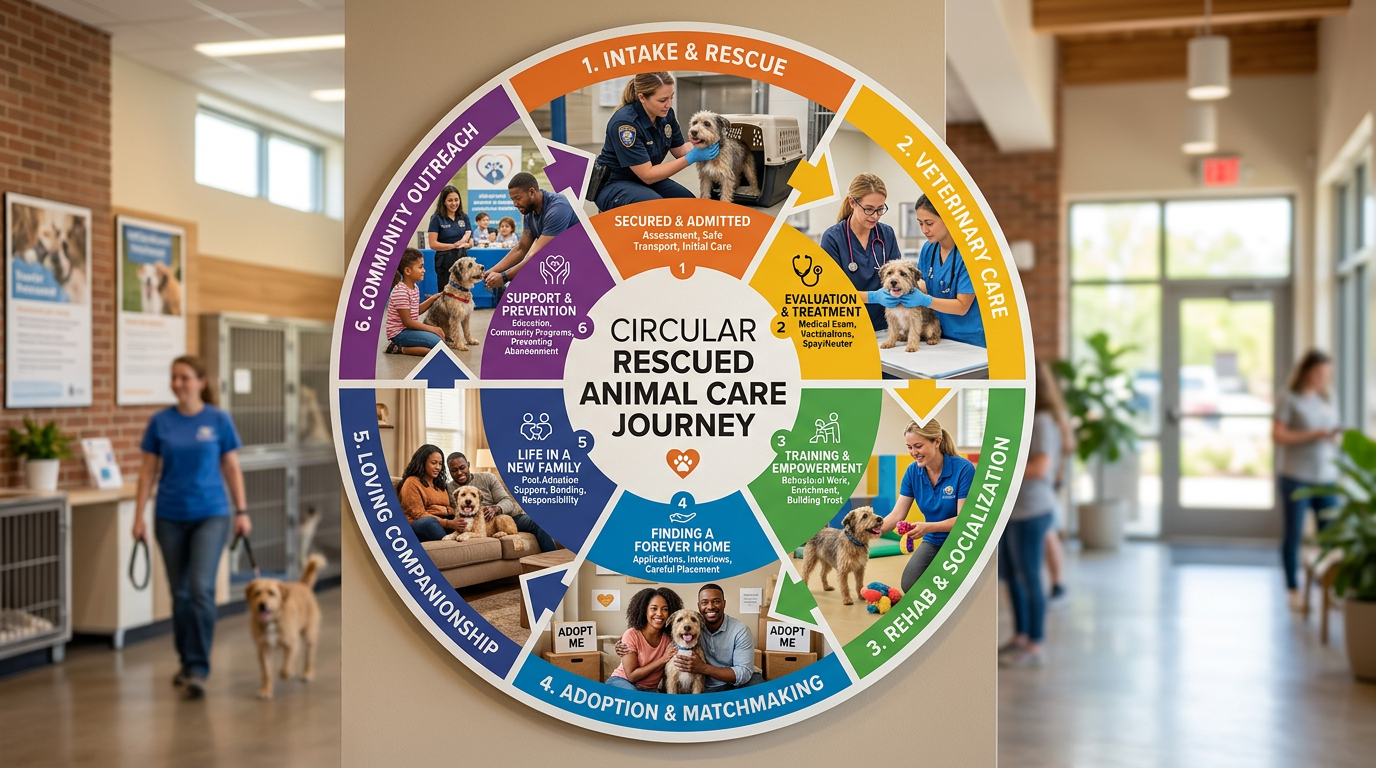
The “Adopt, Don’t Shop” philosophy is more than a catchy slogan; it is the engine of the “Second Chance Pipeline.” This concept represents the complex logistics of moving an animal from a high-stakes rescue mission to a stable, forever home. Organizations like Krishna Ashram in the Delhi NCR region act as the critical “safe haven” in this pipeline, providing round-the-clock medical treatment and constant care for animals in immediate distress.
Crucially, every successful adoption creates a ripple effect. Because these NGOs operate with limited infrastructure, rehoming one dog “creates space” and frees up vital resources for the next animal in need. Choosing to adopt is a direct vote against profit-driven breeding and animal cruelty. It validates the 24/7 commitment of workers at places like Krishna Ashram and Red Paws Rescue, ensuring the “global network of care” remains fluid and functional.
The “Micro-Impact” of Stretching a Dollar
Local NGOs are masters of efficiency, frequently stretching every single donation to achieve remarkable results. They provide round-the-clock medical care, fostering, and adoption services on budgets that many corporate entities would find impossible. This proves that grand, sweeping gestures are not required to make a global difference; the backbone of this movement is composed of small, consistent, and highly disciplined actions.
You can contribute to this mission through several high-impact, manageable ways:
- Donate: Even small financial contributions help local NGOs cover the immediate costs of food and life-saving medical treatments.
- Volunteer: Offer your time or professional skills—whether it’s hands-on fostering, rescue assistance, or administrative tasks.
- Adopt, Don’t Shop: Opting for a rescue dog instead of a breeder animal directly supports the “Second Chance Pipeline.”
- Spread the Word: Use your digital voice to amplify the work of these unsung heroes, bringing visibility to those who often work in the shadows.
A Call to Compassion
The work of grassroots organizations like the Soi Dog Foundation, Paws for Compassion, Krishna Ashram, and Red Paws Rescue proves that animal welfare is a global responsibility met with local heart. Through the “science” of sterilization, the power of education, and the round-the-clock dedication of rescuers, these “boots on the ground” heroes are ensuring that the world becomes a kinder, more compassionate place for every living creature.
Every animal rescued and every mind changed contributes to a growing global network of care. As we look beyond the simplified, commercialized ideals of the pet industry, we must recognize our own role in this ecosystem. In a world that often overlooks the “invisible” stray, how will you choose to lend your voice to the global network of care today?
-
One of the biggest misconceptions about animal welfare is that meaningful impact requires massive donations.
In reality, some of the most important rescue work in the world is powered by small, consistent acts of support.
For grassroots NGOs operating on limited budgets, even modest contributions can create life-changing outcomes.
At The Pawrenting Company, we believe compassion becomes powerful when people stop underestimating the value of small actions.
The Economics of Grassroots Rescue
Most local rescue organizations operate with extremely limited resources.
Many rely on:
- Volunteers
- Community fundraising
- Social media appeals
- Temporary foster homes
- Discounted veterinary partnerships
- Crowdsourced supplies
Unlike large organizations with substantial administrative infrastructure, small NGOs often direct the majority of their funding straight into active rescue operations.
This means relatively small donations can have immediate impact.
For example:
- A small donation may cover a vaccination
- Another may fund emergency medication
- A community fundraiser may sponsor sterilization surgeries
- A recurring monthly contribution may help feed shelter animals
Every contribution enters a system designed around survival and efficiency.
Support Goes Beyond Money
Financial support matters deeply—but it is not the only way people can help.
Many rescue organizations also depend on community participation.
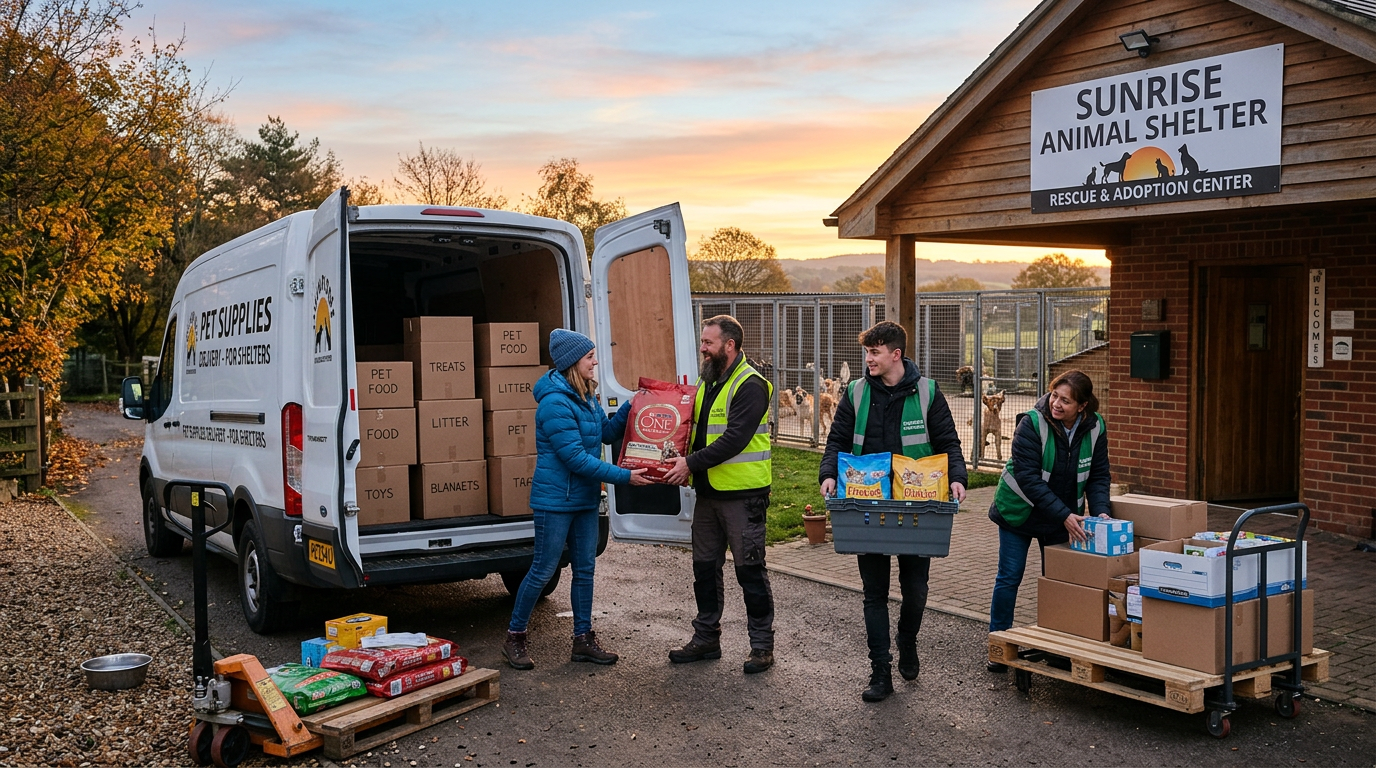
Volunteers assist with:
- Transportation
- Social media management
- Photography for adoption profiles
- Administrative work
- Fundraising campaigns
- Foster care
- Adoption events
- Community feeding programs
Even something as simple as sharing an adoption appeal online can dramatically increase visibility for an animal in need.
Awareness itself becomes a form of rescue.
Why Consistency Matters More Than Size
Sustainable animal welfare is built on consistency.
Small recurring contributions often help NGOs plan more effectively than occasional large donations.
Predictable support allows organizations to:
- Maintain food supplies
- Schedule sterilization drives
- Budget for veterinary care
- Expand foster networks
- Respond to emergencies faster
This stability is invaluable.
Because rescue work is not seasonal.
Animals need care every day.
The Ripple Effect of Compassion
One rescued animal creates ripple effects far beyond a single life.
A sterilized dog helps reduce future suffering.
A vaccinated animal strengthens public health.
An adoption opens shelter space for another rescue.
An awareness campaign inspires future volunteers.Compassion compounds.
This is why small acts matter so much.
They accumulate into systems of care powerful enough to change communities.
Building a Global Network of Care
One of the most inspiring aspects of modern animal welfare is how interconnected it has become.
A person sitting thousands of miles away can help fund medical treatment for a rescue animal they may never meet.
A volunteer can amplify adoption campaigns online.
A foster parent can temporarily transform an animal’s future.
A donor can help sustain an entire rescue operation.No contribution exists in isolation.
At The Pawrenting Company, we believe building a more compassionate world begins with recognizing that ordinary people have extraordinary power when they act collectively.
Because behind every rescue story is usually a network of strangers who decided an animal’s life mattered.
And that decision changes everything.
-
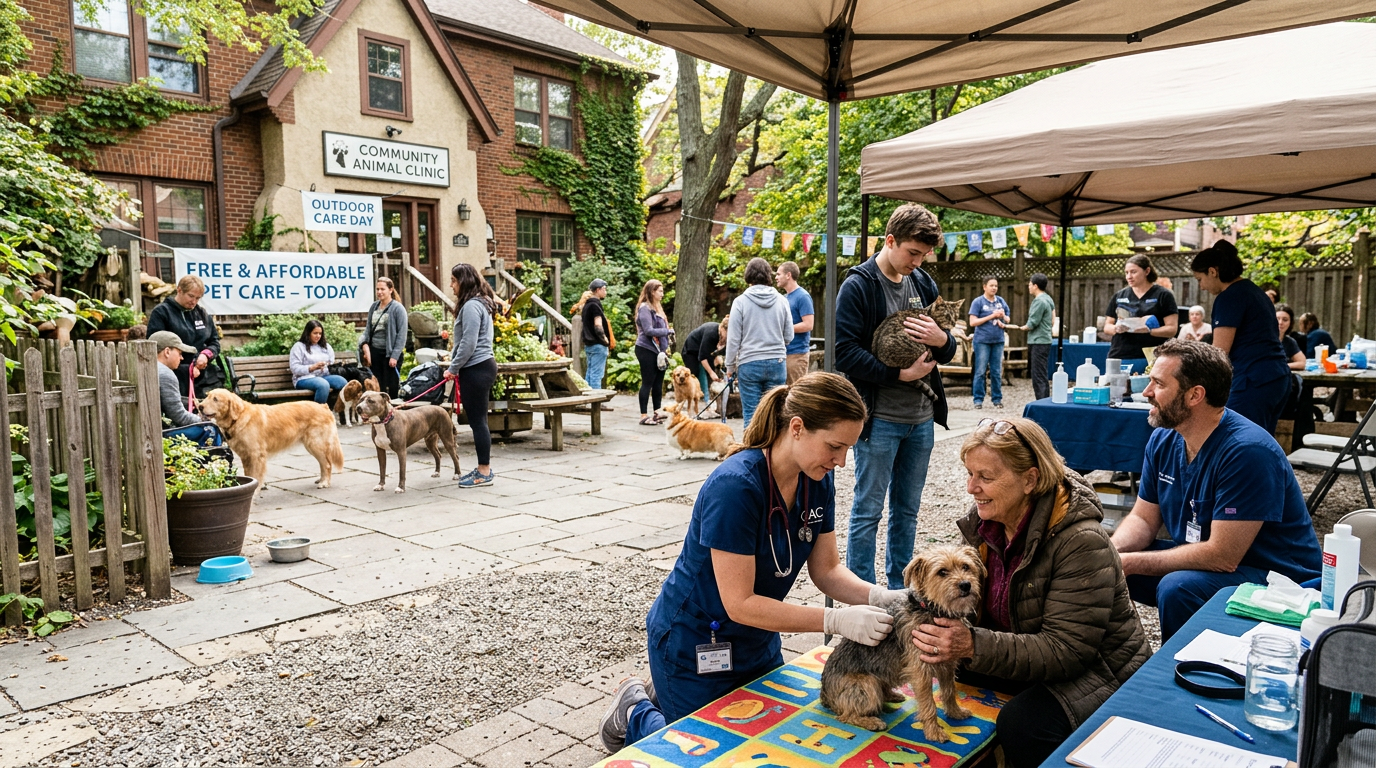
Stop Bandaging the Problem: Why Education and Prevention Are the Ultimate Cures
When we think about animal welfare, the first image that often comes to mind is rescue. A dog pulled from the streets, a wounded cat receiving treatment, or an abandoned animal finally finding safety—these moments are powerful, emotional, and deeply important. Every life saved is a victory.
But an important question remains: is rescue alone enough, or are we only treating the symptoms of a much larger crisis?
To create lasting change, animal welfare efforts must go beyond emergency response. Rescue may save an individual life, but education and prevention are what transform communities. Rather than simply bandaging the problem, many grassroots NGOs are now focusing on the root causes of animal suffering and neglect.
Looking Beyond Immediate Rescue
Physical rescue is essential, but it is often reactive. It addresses the visible consequences of a deeper issue—homelessness, overpopulation, neglect, and lack of awareness. Without tackling these underlying causes, the cycle continues.
That is why prevention has become one of the most powerful tools in modern animal welfare work. By investing in long-term solutions, organizations can reduce suffering before it begins.
Prevention Starts with Population Control
One of the most effective ways to prevent animal suffering is through humane population control, especially sterilization programs. Countless stray animals are born into environments where food, shelter, and medical care are scarce. Many face disease, injury, abuse, or abandonment from the very start of life.
Organizations such as Paws for Compassion and the Soi Dog Foundation are helping change this reality. Through sterilization initiatives and community outreach, they are working to ensure that fewer animals are born into lives of hardship.
This approach does more than reduce numbers—it protects future generations from preventable suffering.
Education Creates Lasting Change
Prevention is not only about medical intervention; it is also about changing mindsets. Communities play a critical role in shaping the lives of animals around them, and education can be the difference between neglect and compassion.
By promoting responsible pet ownership, teaching kindness toward animals, and encouraging communities to understand their role in animal welfare, NGOs are planting the seeds for long-term cultural change.
When people learn how to care for animals properly, the impact reaches far beyond one rescue story. It creates neighborhoods, cities, and eventually societies that are more informed, empathetic, and proactive.
The Unsung Heroes of Prevention
The organizations doing this work are often the unsung heroes of animal welfare. Their efforts may not always be as visible as dramatic rescue missions, but their impact is profound.
They are building systems of care that prevent suffering before it happens. They are reducing abandonment, limiting overpopulation, and fostering communities where animals are treated with dignity and kindness.
In many ways, this is the most sustainable form of rescue: stopping the crisis before it begins.
Building a Global Network of Care
The fight for animal welfare cannot rely on rescue alone. It requires a broader vision—one that combines immediate intervention with education, prevention, and community involvement.
By supporting grassroots NGOs and their preventative efforts, we help build a world where fewer animals need saving in the first place. That is the ultimate goal: not just to heal the wounds of neglect, but to create a society where those wounds are less likely to happen at all.
Because in the end, the greatest act of compassion is not only rescuing an animal in need—it is creating a world that prevents that need from arising.
 Let Your Pawrenting Journey Begin