

Top-down charity is a failing model that often misses the mark on local needs. While international organizations gain attention, their disconnect from the complexities of specific communities leads to inadequate solutions. Grassroots NGOs shine by leveraging intimate knowledge of cultural and environmental contexts to address pressing issues. They don’t just provide aid but tackle the root causes of suffering with tailored, impactful strategies. It’s time to recognize these local champions who maximize every dollar and forge real change. If we truly want a compassionate global network, we must prioritize local efforts and acknowledge the power of community-driven support.
Category Archives: love, dogs, dogparent
The Importance of Sterilization in Animal Welfare
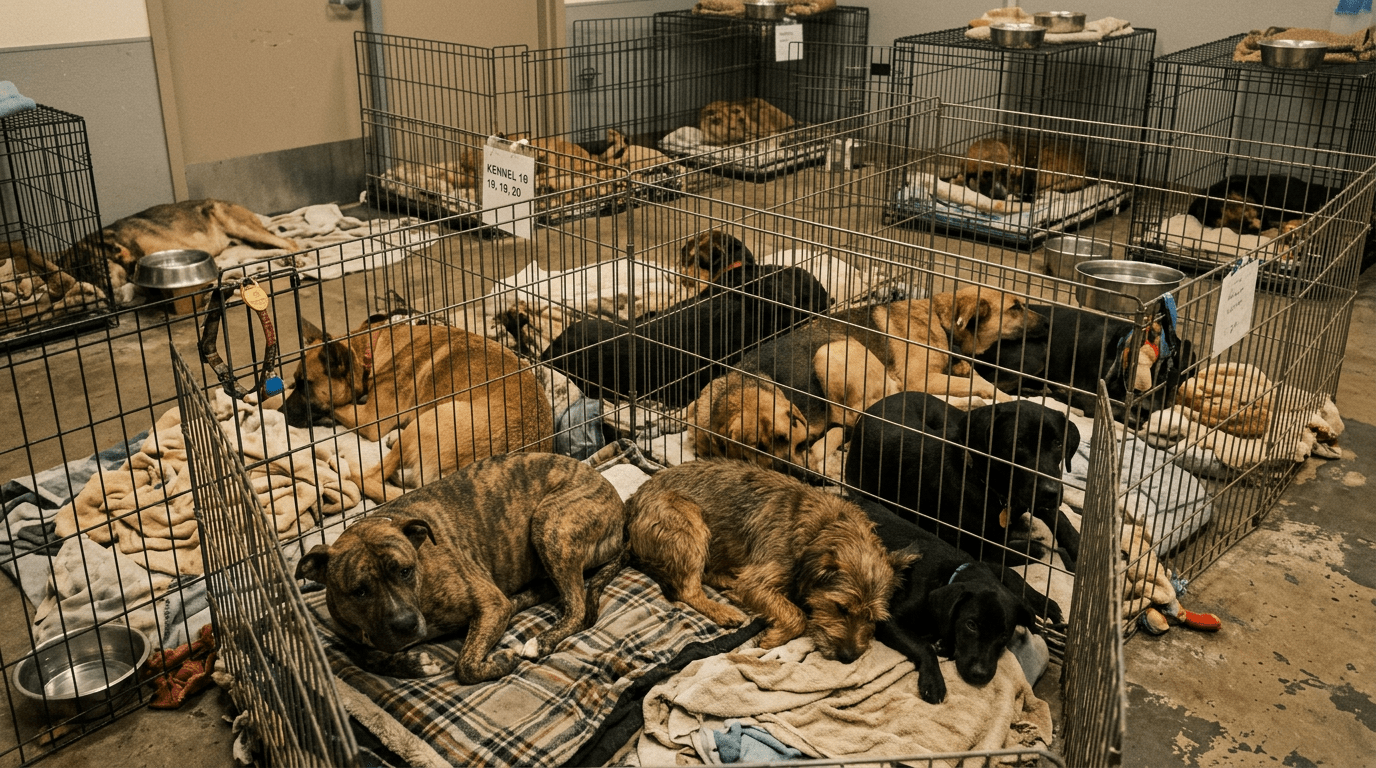
In a world awash with stray animals and overcrowded shelters, rescue efforts alone won’t cut it. The grim truth is that without effective population management through sterilization and vaccination, the cycle of suffering continues unabated. Organizations like Soi Dog Foundation and Red Paws Rescue grasp this reality, prioritizing humane interventions over temporary fixes. A single unsterilized dog can spark an epidemic of unwanted puppies and all the related horrors—disease, malnutrition, and human conflict. The key? Long-term commitment to preventing suffering, harnessing both compassion and scientific strategies. Embrace this reality, or be a bystander in a perpetually tragic narrative.
The Truth About Belonging to Yourself

In a world obsessed with applause, we often mistake validation for true belonging. Loneliness strikes when we realize that chasing admiration leaves us adrift, living a rented life dictated by external expectations. The journey towards self-belonging reveals the hollow nature of performance, prompting us to confront our unadorned selves. True freedom arises not from being celebrated, but from being authentically ourselves, even in solitude. This inner loyalty fosters a deeper understanding of love, success, and identity, allowing us to cherish our own lives rather than seeking others’ approval. Ultimately, relinquishing applause for self-acceptance is the real path to liberation.
How a Book Changed My Father’s Perception

In an evocative tale of connection and miscommunication, a daughter reflects on her struggle to prove her worth to a father grounded in tangible realities. No amount of professional success or articulation could bridge their gap—until a book finally transformed her intangible life into something concrete. This physical manifestation of her journey allowed her father to see her not merely as a confusing abstract but as a relatable human being. The poignant realization emerges: love without recognition is an incomplete embrace. Ultimately, she learns that to truly exist in another’s eyes, sometimes you must first translate your existence into a language they understand.
Navigating Loss: Finding Identity After Grief
Loss doesn’t come with fanfare; it sneaks in under the guise of everyday life, unraveling the very fabric of who we think we are. Did she have to lose everything? This question, posed in both sorrow and self-reflection, forces a confrontation with uncomfortable truths. In the wake of loss, identities fade, and the emptiness can feel humiliating—a stark realization that much of ourselves was borrowed from the approval of others. Yet, what emerges after the collapse is a raw, unvarnished self, no longer defined by achievements or societal expectations. Perhaps this painful transformation, though brutal, can lead to a more authentic existence.
Embracing Presence: Ditching Performance for Authenticity

In a world obsessed with performance and self-packaging, the devastating reality emerges: being seen does not equate to being known. We’ve mastered the art of projection, presenting polished versions of ourselves to garner acceptance, yet this façade breeds exhaustion and profound loneliness. True presence transcends performance—it’s the audacity to show up as raw, unfinished beings. It rejects the need for perfection and challenges us to embrace our vulnerabilities. This journey demands a radical honesty that cultivates meaningful connections. Ultimately, it’s about daring to be real in an era that prefers the superficial, and trusting that authenticity is more than enough.
Why Sterilization and Vaccination Are Essential for Community Health
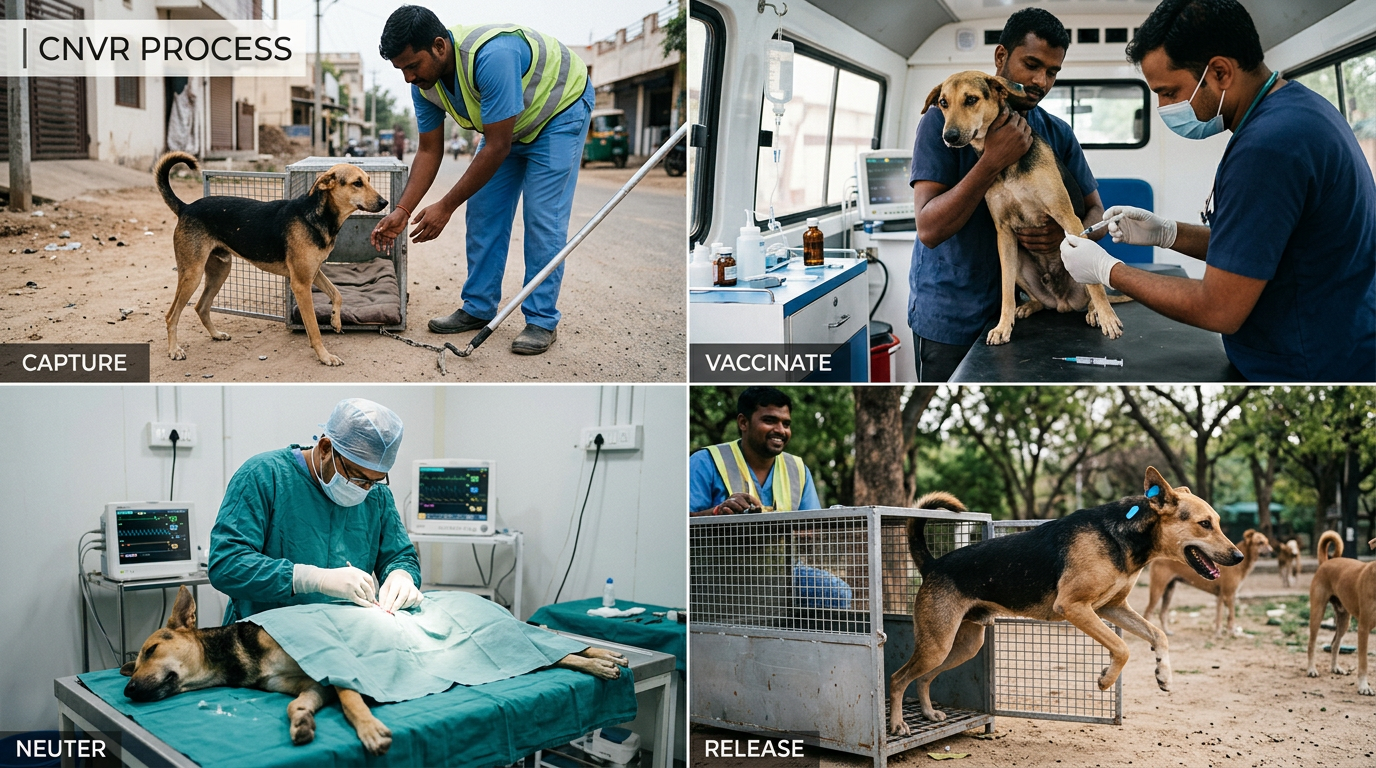
Stray population management is more than a compassionate gesture; it’s a public health imperative. The argument for sterilization and vaccination transcends mere kindness, positioning these methods as essential to bolster community safety and well-being. Organizations like Soi Dog Foundation and Red Paws Rescue are redefining approach by tackling overpopulation at its root, effectively curbing disease spread. This isn’t just charity—it’s a critical investment in healthier environments for both animals and humans. The narrative shifts: humane intervention is not optional; it’s a necessity for safeguarding communities. Embrace this science-driven perspective and challenge the status quo of stray management practices.
The Power of Education in Animal Rescue
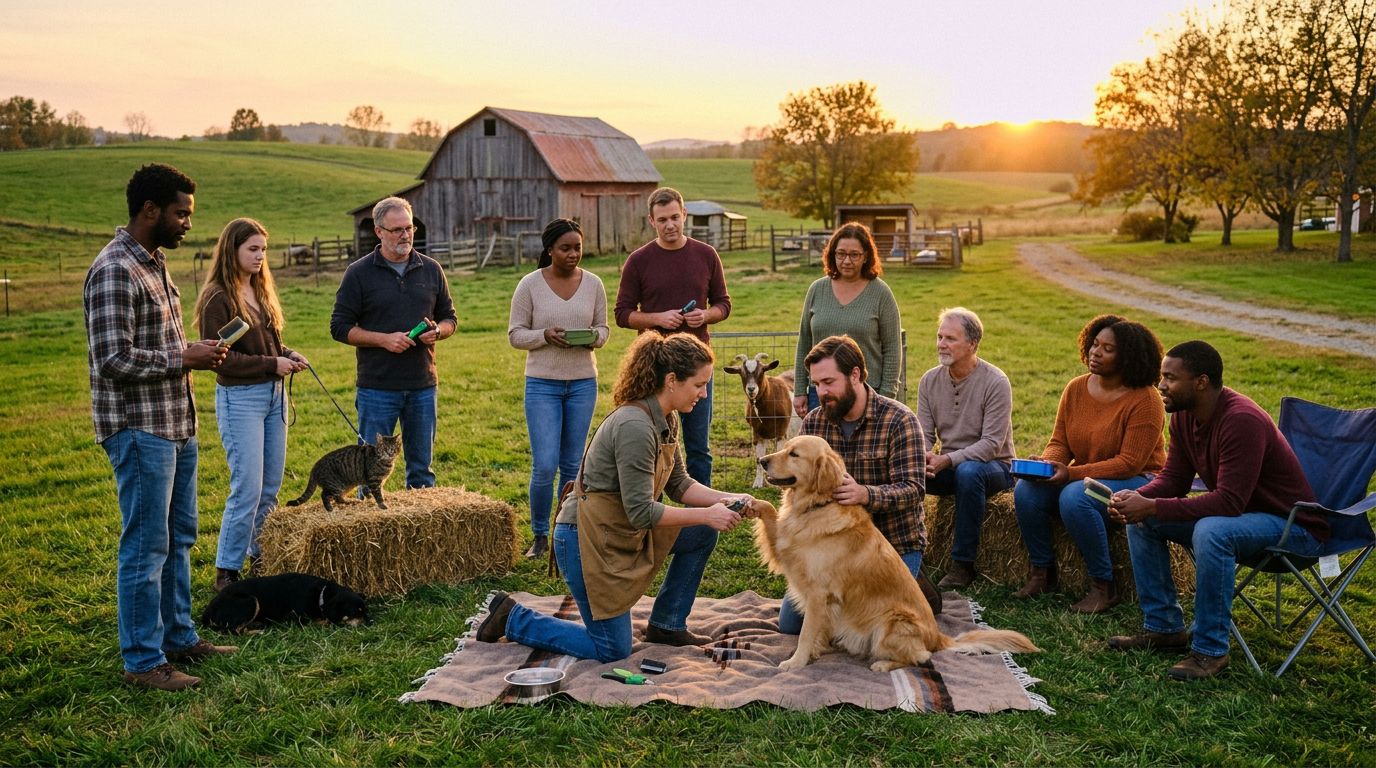
Animal rescue is not just about heroic saves but begins with a profound shift in mindset through education. Paws for Compassion in Vietnam exemplifies this, emphasizing the need for compassion and community awareness to alleviate the root causes of animal neglect. While traditional rescues are vital, they serve only as a temporary fix in a world overflowing with strays. By instilling knowledge on responsible pet ownership and the value of kindness, we can break the cycle of abandonment and cruelty. True change stems from empowering communities, fostering compassion, and transforming how we interact with our four-legged companions, ultimately rendering rescue a relic of the past.
Kibble wasn’t about dogs — it was logistics

Kibble, the modern dog food staple, is less about canine welfare and more about human convenience and logistics. Born from the need for cost-effective, shelf-stable solutions, its popularity is rooted in practicality rather than nutrition. While many assume kibble represents the best choice for dogs, it’s essential to recognize that widespread availability doesn’t equate to optimal care. Dogs are complex beings with unique needs, deserving of thoughtful feeding practices. Rather than defaulting to convenience, pet owners should ask how to truly nourish their furry friends. Small, intentional changes can make a significant difference in our pets’ lives. Awareness is key.
Why Local NGOs Are Key to Animal Rescue
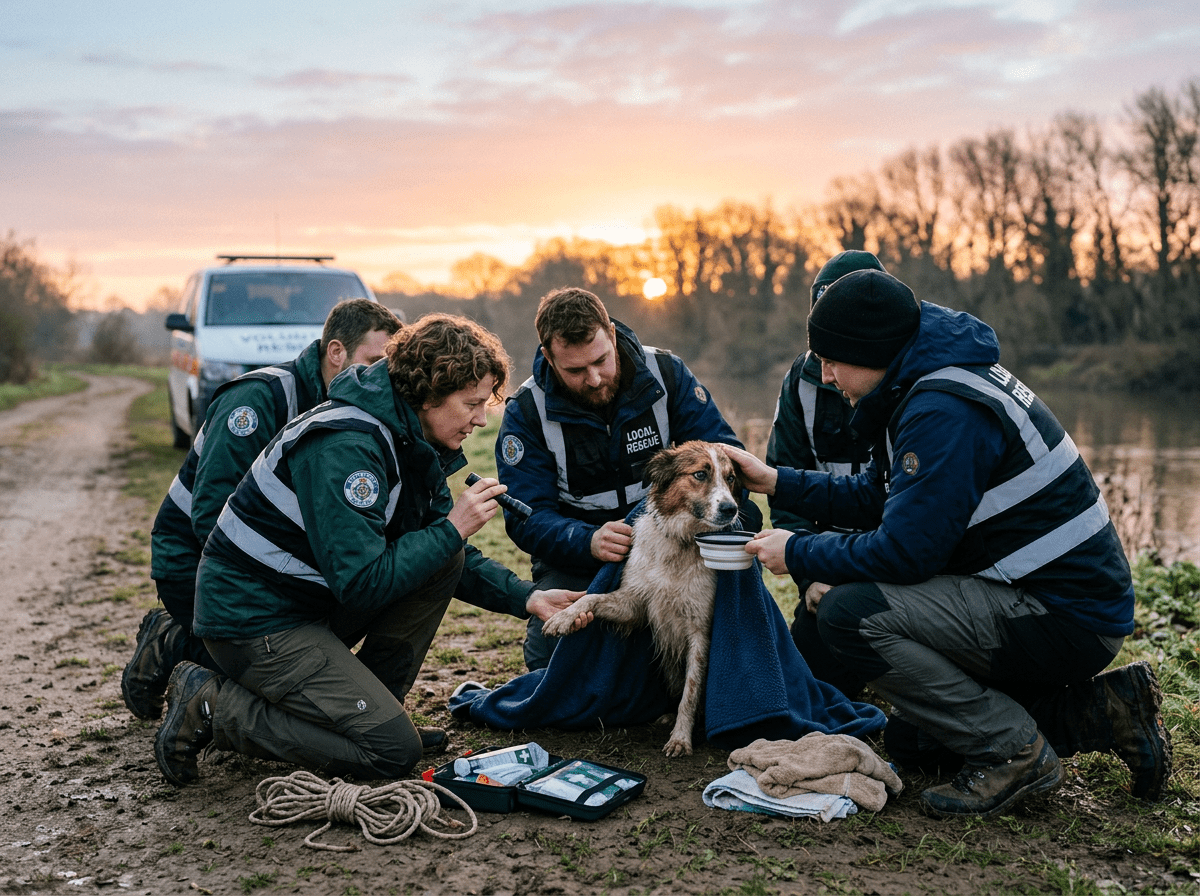
When you picture animal rescue, forget the glamorous charities. The real heroes are the local NGOs—the underappreciated warriors fighting for the overlooked furry souls. These dedicated volunteers, fueled by passion and sleepless nights, operate on the frontlines of animal distress. They don’t need bureaucratic red tape; they act on instinct, saving lives in real-time. But this heavy emotional labor takes a toll, and their resilience often goes unnoticed. Supporting these grassroots efforts leaves a tangible impact, transforming donations into life-saving actions. The future of animal welfare hinges on these local champions who embody compassion. Stand beside them; the animals need you.
 Let Your Pawrenting Journey Begin