

Our Stories
Welcome to a realm of limitless pawrenting possibilities. Each journey with your furry friend is as exhilarating as the destination. Every shared moment provides a chance to leave your unique paw print on the canvas of existence. You can craft stories filled with joy, laughter, and love. The only limit in this adventure is the extent of your imagination.
From the blog



Latest Posts
Welcome to a world of Pawrenting, where the thrills of shared experiences ignite joy and laughter. The journey is filled with adventures, as exhilarating as the destination, with each day bringing new opportunities for exploration. Start with early morning walks in the park. Then enjoy cozy afternoons spent cuddling on the couch. Every moment is a chance to connect with your furball. You can make memories that could last for a lifetime! As you navigate the ups and downs of pet parenthood, you’ll discover the unique bond that forms through play. Training and quiet times together further strengthen this bond. These experiences create a tapestry of unforgettable moments. They enrich both your lives.
-
Why Top-Down Charity Fails: The Power of Local Perspective
Large international organizations often steal the spotlight, but they do not always have the nuance needed to solve complex, community-specific issues. High-level, top-down approaches can raise awareness on a global scale, yet they may fall short where real change begins: on the ground, within local communities.
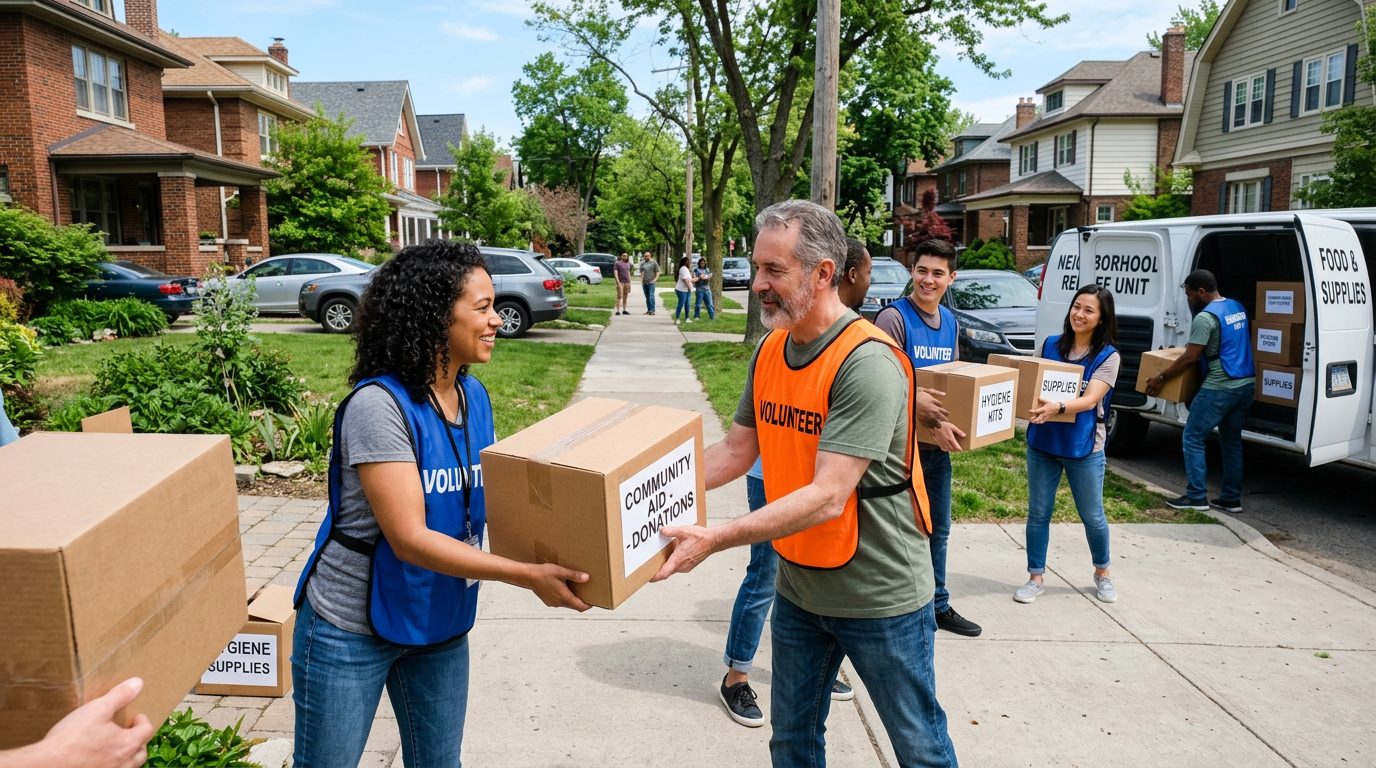
This is where grassroots NGOs make a powerful difference. Unlike distant entities, local organizations understand the communities they serve. They know the cultural dynamics, environmental conditions, and everyday challenges animals face in their specific regions. That close connection allows them to respond with care that is not only immediate, but also deeply informed.
By offering personalized support and investing in direct educational outreach, grassroots NGOs often address the root causes of suffering that broader campaigns can overlook. Their work is practical, personal, and lasting.
If we want to build a truly compassionate global network of care, we need to recognize and support these unsung heroes. They stretch every dollar, work closely with the people who need them most, and create impact where it matters most.
Watch the full episode on The Pawrenting Company Podcast
-
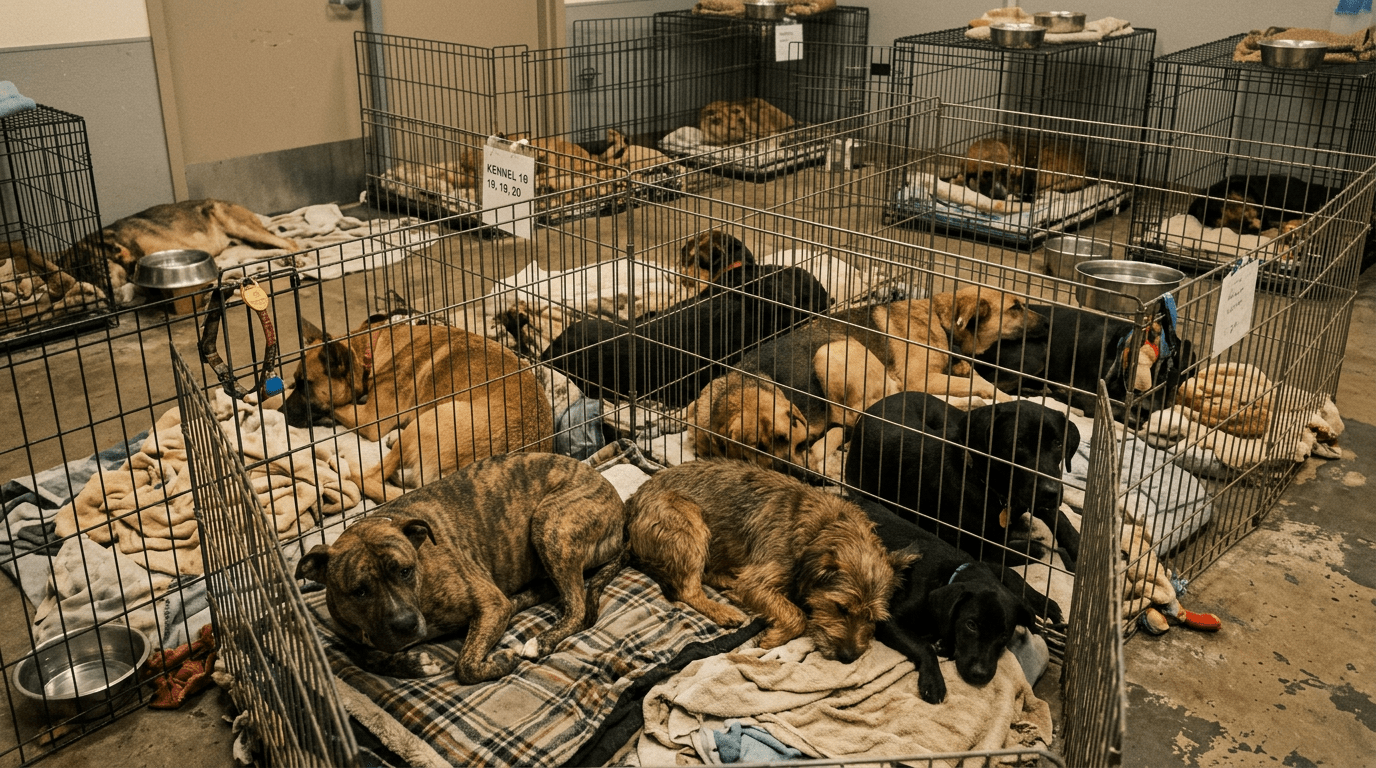
Behind every overcrowded shelter and every struggling stray animal population lies a difficult reality:
Rescue alone is not enough.
Without long-term population management, the cycle of suffering simply repeats itself.
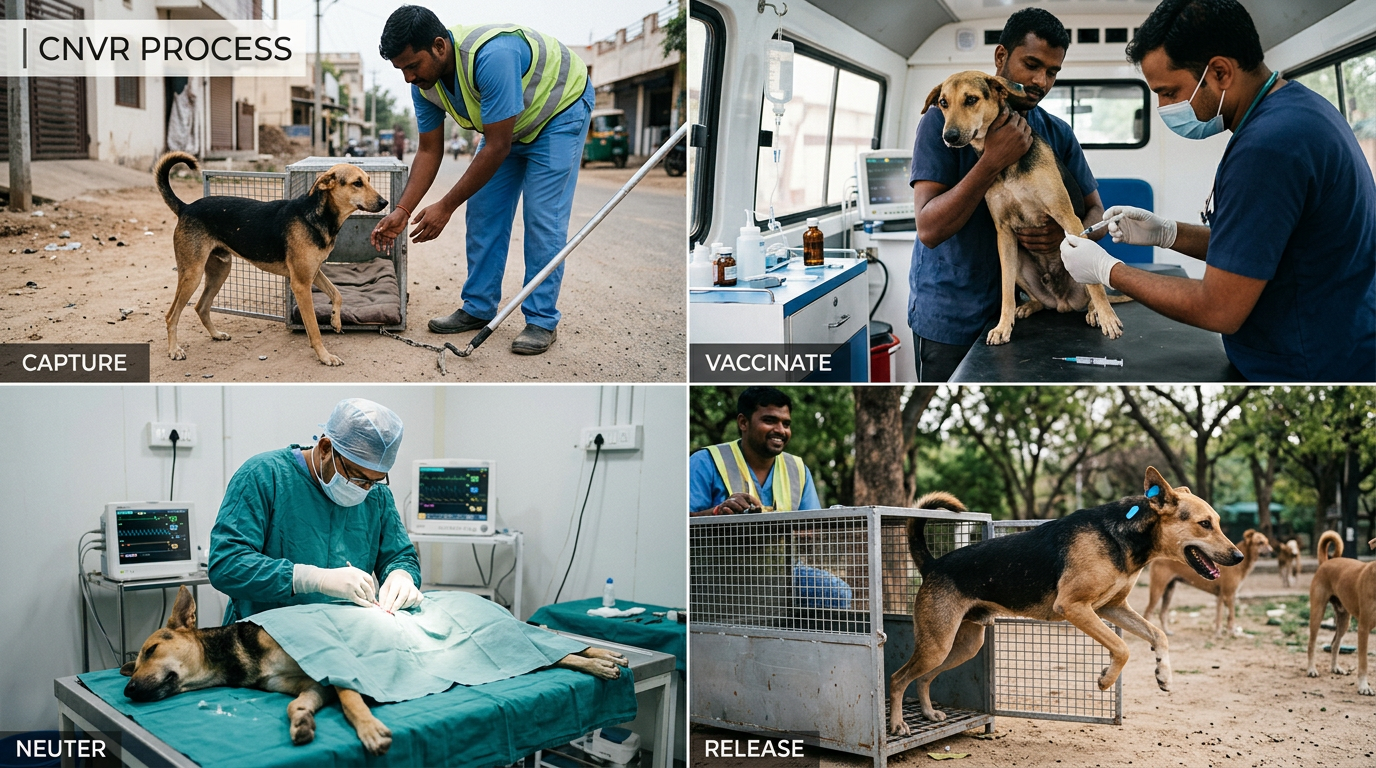
This is why organizations like the Soi Dog Foundation in Thailand and Red Paws Rescue in India prioritize one of the most critical—and often misunderstood—areas of animal welfare: sterilization and vaccination.
At The Pawrenting Company, we believe these programs are among the most compassionate and scientifically effective tools available for protecting stray animals and improving public health.
Why Stray Populations Grow So Rapidly
A single unsterilized female dog and her offspring can contribute to hundreds of puppies over time.
In regions where access to affordable veterinary care is limited, stray populations can grow faster than communities are able to support them.
The consequences are severe:
- Malnutrition
- Disease outbreaks
- Traffic injuries
- Territorial conflicts
- Shelter overcrowding
- Increased abandonment
- Human-animal conflict
Animals born into these conditions often face lives marked by instability and suffering.
This is why preventative intervention matters so deeply.
The Science Behind Sterilization
Sterilization programs are designed to humanely reduce population growth over time.
Unlike harmful methods of population control used historically in some regions, sterilization addresses the issue at its root while allowing existing street animals to live healthier lives.
The benefits are significant:
- Reduced reproduction rates
- Lower aggression linked to mating competition
- Decreased risk of certain cancers and infections
- Improved community stability among stray dog populations
- Fewer puppies born into unsafe environments
Over time, consistent sterilization efforts create measurable decreases in stray populations.
This is not a quick solution.
It is a long-term commitment to sustainable welfare.
Why Vaccination Matters Equally
Vaccination programs are another cornerstone of effective animal welfare strategy.
In many countries, stray dogs remain vulnerable to preventable diseases such as rabies, parvovirus, and distemper.
Vaccinating street animals protects both animals and humans.
Rabies prevention, in particular, is one of the most important public health initiatives connected to animal welfare.
Organizations conducting mass vaccination drives are not only saving dogs—they are protecting entire communities.
This intersection between animal welfare and public health is often overlooked.
Healthy animal populations contribute to healthier cities.
The Challenge of Scaling These Programs
Sterilization and vaccination programs require enormous coordination.
NGOs must manage:
- Rescue logistics
- Veterinary partnerships
- Recovery spaces
- Transportation
- Funding
- Community cooperation
- Long-term monitoring
For small organizations operating on limited budgets, this work can be overwhelming.
And yet, rescue groups continue because they understand that prevention creates lasting impact.
Every sterilized dog represents fewer animals born into hardship.
Every vaccinated animal strengthens community safety.Compassion and Science Can Work Together
One of the biggest misconceptions about animal welfare is that compassion and science exist separately.
In reality, the most effective welfare systems combine both.
Science provides scalable solutions.
Compassion provides the motivation to implement them.Organizations like Soi Dog Foundation and Red Paws Rescue demonstrate what happens when evidence-based strategies meet relentless dedication.
At The Pawrenting Company, we believe meaningful animal welfare requires both emotional care and practical intervention.
Because saving lives is not only about rescue.
Sometimes, it is about preventing suffering before it begins.
-

Belonging to Yourself, Not Applause
For a long time, I did not realize how much of my life was shaped by applause. Not literal clapping, though sometimes there was that too, but the subtler forms of approval I learned to crave: praise, admiration, validation, being chosen, being noticed, being told I was doing well. I mistook these things for belonging. I believed that if people approved of me, then I must be safe. If they admired me, then I must be worthy. If they applauded my choices, then I could trust I was on the right path.
It took me years to understand that applause is not the same as home.
Applause is public. It is conditional. It rises and falls with performance, timing, mood, and usefulness. It can be generous, but it is also unstable. It belongs to the crowd, not to me. And if I build my identity on what can be given and withdrawn by others, then I am forever living in a rented self.
Belonging to myself began when that arrangement started to fall apart.
At first, it did not feel noble or empowering. It felt like loss. There were seasons when the approval I had relied on grew quiet, when the roles that once made me legible no longer fit, when the image of who I thought I needed to be began to crack. I did not know how frightened I was of silence until I stopped hearing the noise that had always reassured me. Without applause, I had to face a difficult question: if no one affirmed me, would I still know how to remain with myself?
The honest answer was not always yes.
I had spent so much energy becoming someone admirable that I had neglected the quieter work of becoming someone true. I knew how to achieve. I knew how to impress. I knew how to translate my pain into something polished, my uncertainty into competence, my longing into likability. I knew how to offer the world a version of myself that could be easily celebrated. But I did not always know how to sit alone with the unadorned self beneath all that effort.
Belonging to yourself is not glamorous work. It does not usually earn praise. In fact, it often requires disappointing people who preferred the performed version of you. It asks for an inward loyalty that can look, from the outside, like withdrawal or defiance. It asks you to stop negotiating your truth for approval. It asks you to trust the part of you that exists before the audience arrives.
For me, this has meant learning to stay with my own life even when it is not impressive. It has meant honoring what I feel before I rush to make it acceptable. It has meant admitting that some of my best choices may never be the ones most admired by others. There is a particular loneliness in choosing what is right for your soul when it does not come with applause. No one prepares you for that. We are taught how to chase recognition far more often than we are taught how to recognize ourselves.
And yet, the deeper peace I have known has come not from being celebrated, but from being aligned. There is a quiet integrity in no longer abandoning myself for approval. There is relief in not having to turn every decision into a performance of worth. I do not have to be the most remarkable person in the room to inhabit my own life fully. I do not have to convert my pain into inspiration or my becoming into a spectacle. I can let my life be lived, not displayed.
That shift has changed the way I understand love, success, and identity. Love is no longer meaningful to me if it depends on my constant performance. Success feels hollow if it costs me my inner steadiness. Identity feels fragile when it is built entirely from reflection—what others see, what others reward, what others repeat back to me. Belonging to myself means building from within. It means becoming trustworthy to my own spirit.
This does not mean I am above wanting approval. I am still human. Praise still warms me. Recognition still has power. But it no longer gets to decide who I am. I no longer want to live at the mercy of external noise, rising when I am praised and collapsing when I am ignored. That kind of life is too precarious. It turns the self into a stage and the soul into a hostage.
To belong to yourself is to return, again and again, to what is real when the room is quiet. It is to know your worth without demanding a witness. It is to make choices you can live with even when they are misunderstood. It is to treat your own inner life as a place deserving of loyalty, not just correction.
I think there is a sacredness in that. A dignity in becoming someone who does not need to be constantly mirrored in order to exist. The world will always have opinions. It will applaud, critique, overlook, celebrate, and forget. It will be loud about what it values and careless about what it misses. If I tether myself to that noise, I will never fully arrive anywhere. I will be perpetually reaching outward, asking strangers to certify my existence.
But when I belong to myself, something softens. I become less performative and more present. Less hungry to be chosen and more willing to choose my own life. Less afraid of being unseen and more committed to seeing clearly. I begin to understand that the truest form of belonging is not being welcomed everywhere, but not abandoning myself anywhere.
That, to me, is freedom.
Not the freedom of applause, which always depends on someone else’s hands, but the freedom of inner permission. The freedom to be whole without being admired. The freedom to live a life that may not always be celebrated, but is deeply, quietly mine.
And in the end, I would rather have that.
Not applause.
Myself.
Listen to the full episode on Tech Lay-offs and Belgian Malinois on The Pawrenting Company Podcast!

A quiet reflection on loss, identity, and the versions of ourselves we outgrow. About Life Choices & Potholes explores what remains when achievement, certainty, and external validation fall away.
 Let Your Pawrenting Journey Begin