

Our Stories
Welcome to a realm of limitless pawrenting possibilities. Each journey with your furry friend is as exhilarating as the destination. Every shared moment provides a chance to leave your unique paw print on the canvas of existence. You can craft stories filled with joy, laughter, and love. The only limit in this adventure is the extent of your imagination.
From the blog



Latest Posts
Welcome to a world of Pawrenting, where the thrills of shared experiences ignite joy and laughter. The journey is filled with adventures, as exhilarating as the destination, with each day bringing new opportunities for exploration. Start with early morning walks in the park. Then enjoy cozy afternoons spent cuddling on the couch. Every moment is a chance to connect with your furball. You can make memories that could last for a lifetime! As you navigate the ups and downs of pet parenthood, you’ll discover the unique bond that forms through play. Training and quiet times together further strengthen this bond. These experiences create a tapestry of unforgettable moments. They enrich both your lives.
-

Every rescued dog carries two stories.
The first is the story of survival.
The second is the story of what becomes possible after rescue.
Between those two stories exists an entire ecosystem of people working tirelessly to transform fear into safety, instability into trust, and abandonment into belonging.
At The Pawrenting Company, we call this the “second chance” pipeline.
And organizations like Red Paws Rescue make it possible every single day.
Rescue Is Only the Beginning
When people see adoption photos online, they often witness the final chapter.
What they rarely see is everything that happened before.
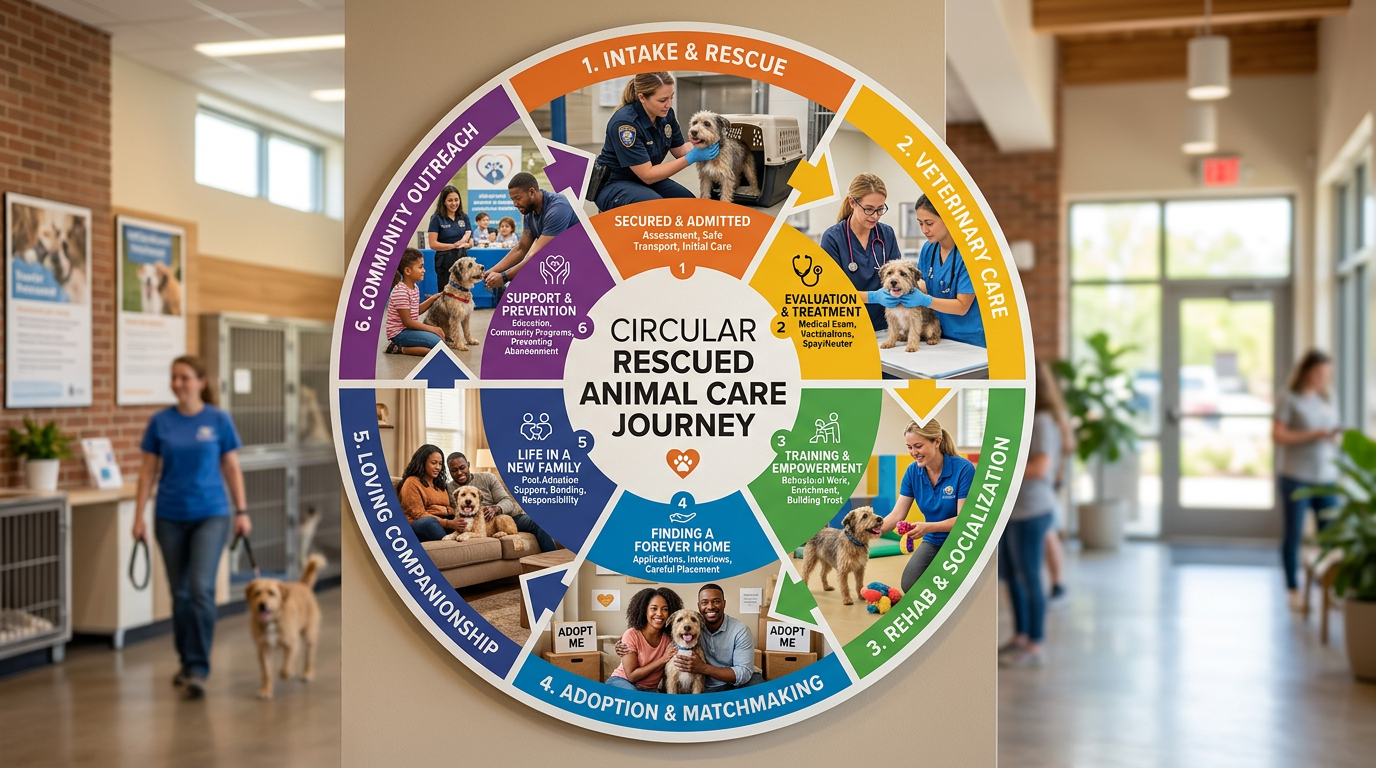
Behind every successful adoption are countless invisible steps:
- Emergency rescues
- Veterinary treatment
- Vaccinations
- Sterilization
- Rehabilitation
- Foster placement
- Behavioral support
- Adoption screening
- Transport coordination
- Follow-up care
Rescue organizations manage this entire journey while balancing limited resources and overwhelming demand.
For many animals, especially those rescued from abuse or neglect, trust must be rebuilt slowly.
Some dogs arrive terrified of human touch.
Others suffer from severe malnutrition or untreated injuries.
Some have never experienced stability at all.Healing takes patience.
The Role of Foster Homes
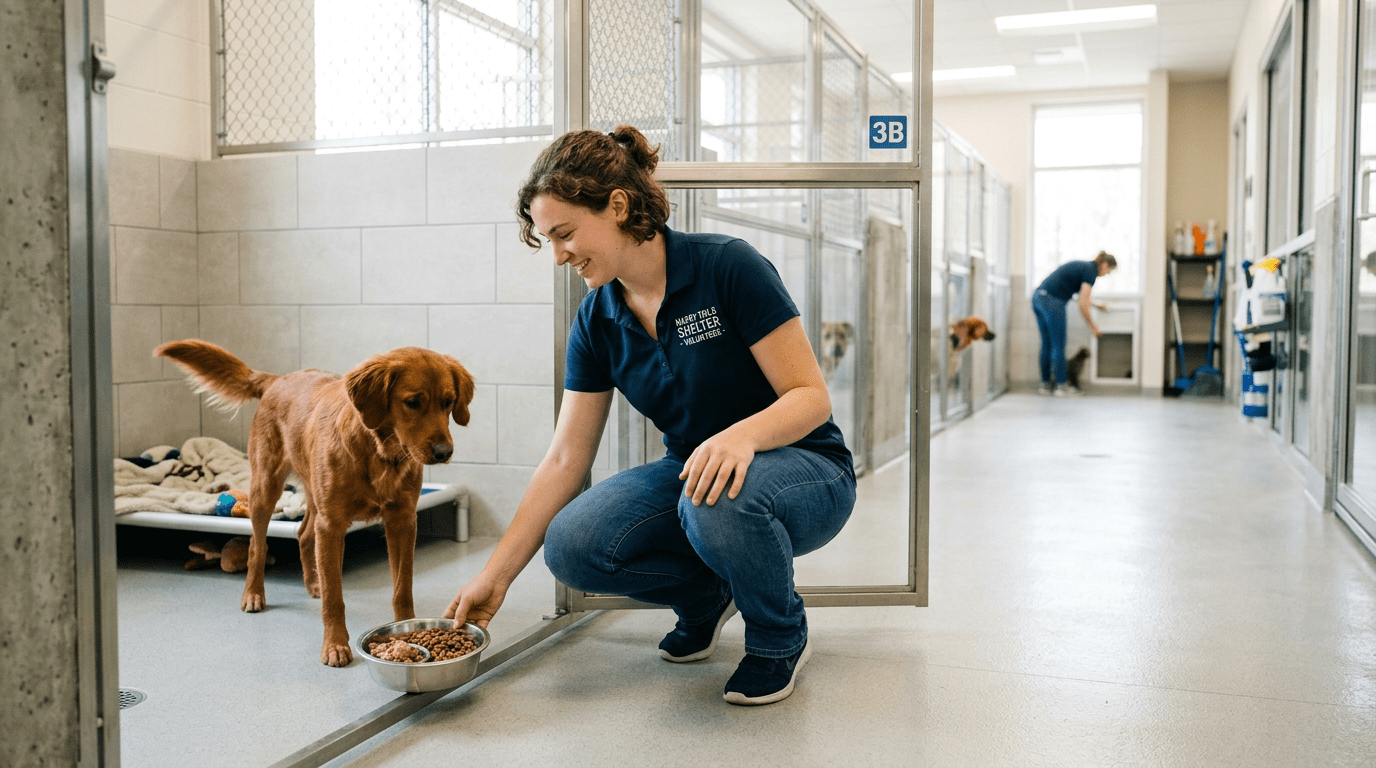
Foster homes are one of the most important parts of the rescue ecosystem.
They provide rescued animals with temporary environments where they can decompress, socialize, and learn what safety feels like.
In foster care, animals begin adjusting to routines, affection, boundaries, and domestic life.
This transition dramatically improves adoption outcomes.
It also allows rescue organizations to create space for additional emergency rescues.
Without foster networks, shelters would become overwhelmed far more quickly.
Why “Adopt, Don’t Shop” Matters
The “Adopt, Don’t Shop” movement is not about guilt.
It is about awareness.
Every adoption directly supports the broader rescue ecosystem.
When someone adopts:
- A shelter gains space for another rescue
- Veterinary resources are redirected toward additional animals
- Foster networks become more sustainable
- Demand for unethical breeding practices decreases
- An animal receives a second chance at life
Adoption also challenges outdated assumptions about rescued animals.
Many rescued dogs become deeply loving, resilient companions once given safety and stability.
They are not “damaged.”
They are survivors.
Building Forever Homes Responsibly
Ethical adoption is about long-term compatibility—not quick placement.
Responsible NGOs carefully evaluate:
- Lifestyle fit
- Financial preparedness
- Household dynamics
- Time availability
- Existing pets
- Commitment levels
The goal is not simply to find homes.
It is to find the right homes.
A successful adoption creates stability for both the animal and the adopter.
Every Adoption Changes More Than One Life
One of the most beautiful aspects of rescue adoption is that transformation flows both ways.
Animals receive safety, care, and belonging.
Humans often receive companionship, emotional healing, joy, routine, and unconditional love.
Rescue changes entire households.
At The Pawrenting Company, we believe every rescued animal deserves the opportunity to experience permanence, affection, and dignity.
Because sometimes the greatest act of compassion is not simply saving a life.
It is choosing to share your life with one.
-
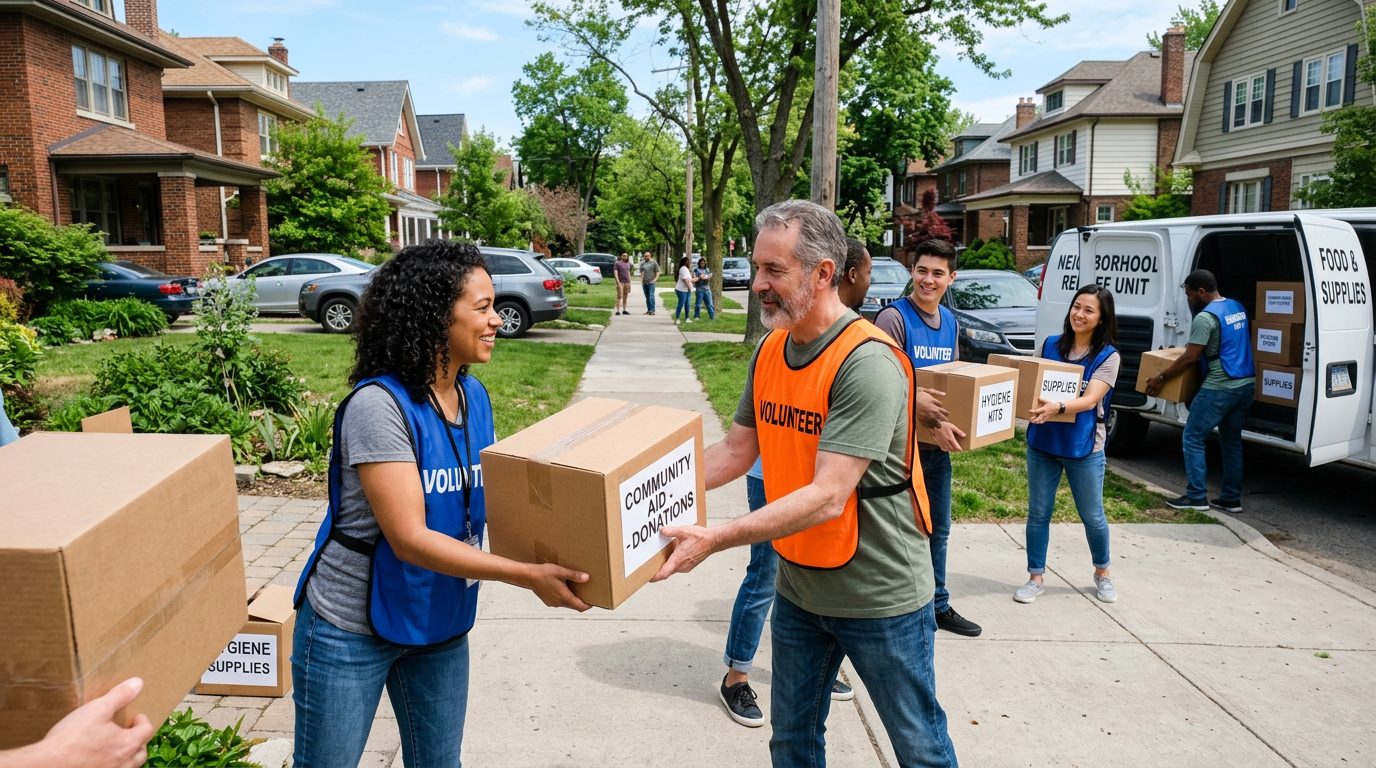
Your $5 Can Do Huge Good: The Massive Impact of Small Acts
You don’t need a grand gesture to save a life. At a local NGO, even $5 can be a powerful tool for change. Because grassroots organizations often operate with minimal resources and limited funding, they have become experts at stretching every dollar to create remarkable impact.
A small contribution can go a long way. It might fund a critical vaccination in Thailand, support humane sterilization drives in India, or help provide the round-the-clock medical care needed to give an abandoned dog a second chance at life.
These unsung heroes use small donations to deliver personalized care and run educational programs that help shift entire communities toward compassion. When you give what you can, you directly support the boots-on-the-ground work that forms the backbone of a global network of care.
Watch the full episode on The Pawrenting Company Podcast
-
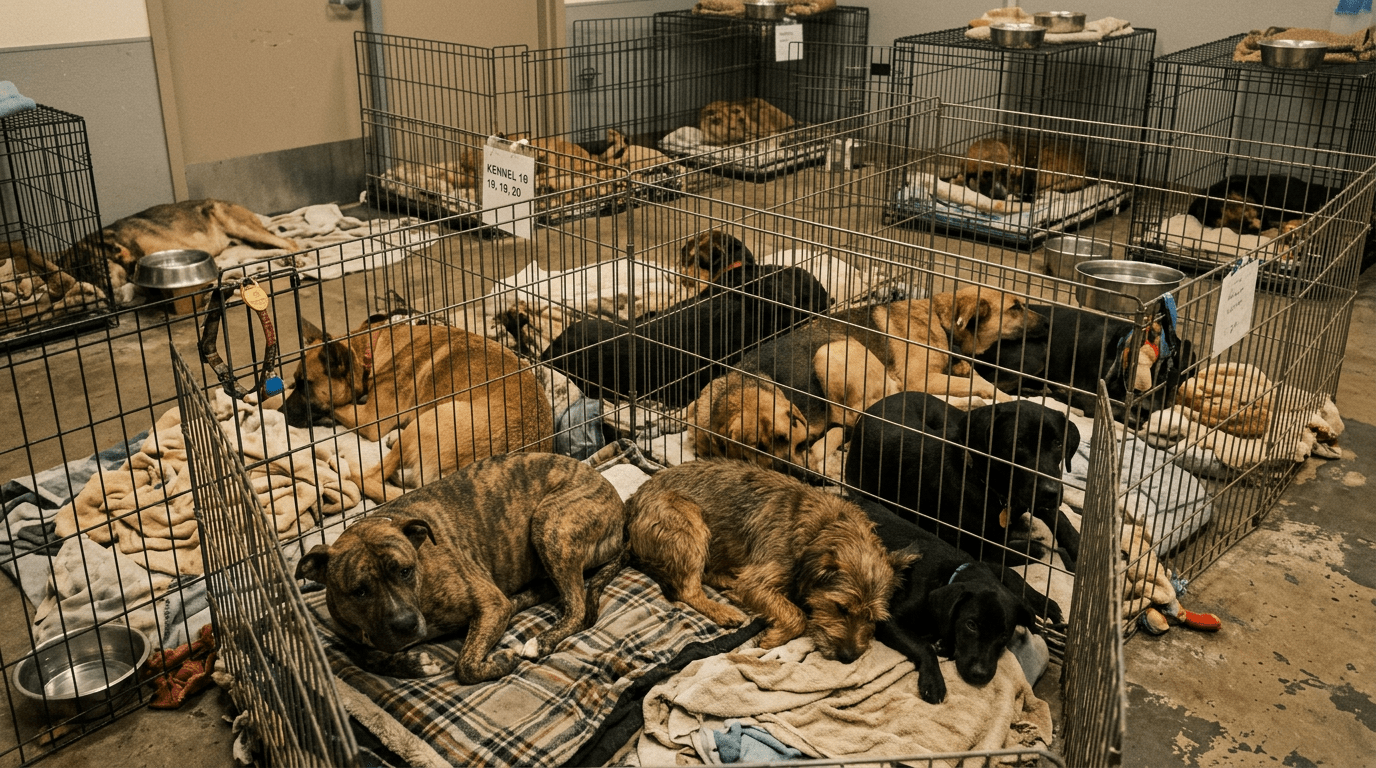
Animal sanctuaries are often imagined as peaceful places filled with happy rescues and heartwarming reunions.
But behind every successful sanctuary is a reality far more demanding.
It is a world built on emergency calls at 2 a.m., overcrowded recovery rooms, nonstop feeding schedules, critical surgeries, and volunteers who rarely get a day off.
For organizations like Krishna Ashram in the Delhi NCR region, compassion is not an occasional act.
It is a 24/7 responsibility.
At The Pawrenting Company, we believe sanctuaries like these represent one of the purest forms of commitment in animal welfare.
Every Day Begins with Uncertainty
No two days inside a rescue sanctuary are ever the same.
A normal morning can quickly turn into a crisis.
An injured street dog may arrive after a traffic accident.
A litter of abandoned puppies may need emergency bottle feeding.
A senior rescue may require immediate medical intervention.
A foster placement may unexpectedly fall through.Sanctuary teams must constantly adapt.
The emotional and logistical demands are relentless.
And unlike many professions, rescue work does not pause on weekends or holidays.
Animals still need medication.
They still need feeding.
They still need emotional rehabilitation.Beyond Rescue: The Full Spectrum of Care
Rescue is only the beginning of an animal’s journey.
Many animals arriving at sanctuaries are traumatized, malnourished, injured, or fearful of human interaction.
True rehabilitation requires time.
Sanctuary teams often provide:
- Emergency medical care
- Post-surgical recovery
- Long-term rehabilitation
- Behavioral support
- Vaccinations and sterilization
- Foster coordination
- Adoption screening
- Lifelong sanctuary care for animals unable to be adopted
This level of support requires extraordinary patience.
Some animals recover quickly.
Others may need months—or even years—to trust again.The Emotional Weight of Rescue Work
One of the least visible aspects of sanctuary life is emotional exhaustion.
Caregivers form deep bonds with the animals they rescue.
They celebrate every recovery.
They grieve every loss.
They carry the emotional burden of witnessing suffering while still needing to remain functional enough to help the next animal arriving at the gate.And despite the challenges, most rescuers continue because they know the alternative is worse.
Without sanctuaries, countless animals would have nowhere safe to go.
Why Sanctuaries Matter So Deeply
Urban environments create particularly difficult conditions for stray animals.
Rapid development, traffic, pollution, overcrowding, abandonment, and limited public awareness all contribute to high-risk environments.
Sanctuaries act as critical safety nets within these ecosystems.
They provide:
- Immediate protection
- Medical intervention
- Rehabilitation spaces
- Adoption pathways
- Long-term refuge for vulnerable animals
In many cases, they are the only place an injured or abandoned animal can survive.
Compassion as Daily Practice
What makes sanctuaries extraordinary is not perfection.
It is persistence.
It is the decision to keep showing up despite limited funding, emotional burnout, and endless emergencies.
At The Pawrenting Company, we believe these spaces embody what compassion truly looks like in practice.
Not as a feeling.
But as a daily action.
Because somewhere tonight, while most of the world sleeps, a rescue worker will still be awake, comforting a frightened animal who finally feels safe.
 Let Your Pawrenting Journey Begin