

Our Stories
Welcome to a realm of limitless pawrenting possibilities. Each journey with your furry friend is as exhilarating as the destination. Every shared moment provides a chance to leave your unique paw print on the canvas of existence. You can craft stories filled with joy, laughter, and love. The only limit in this adventure is the extent of your imagination.
From the blog



Latest Posts
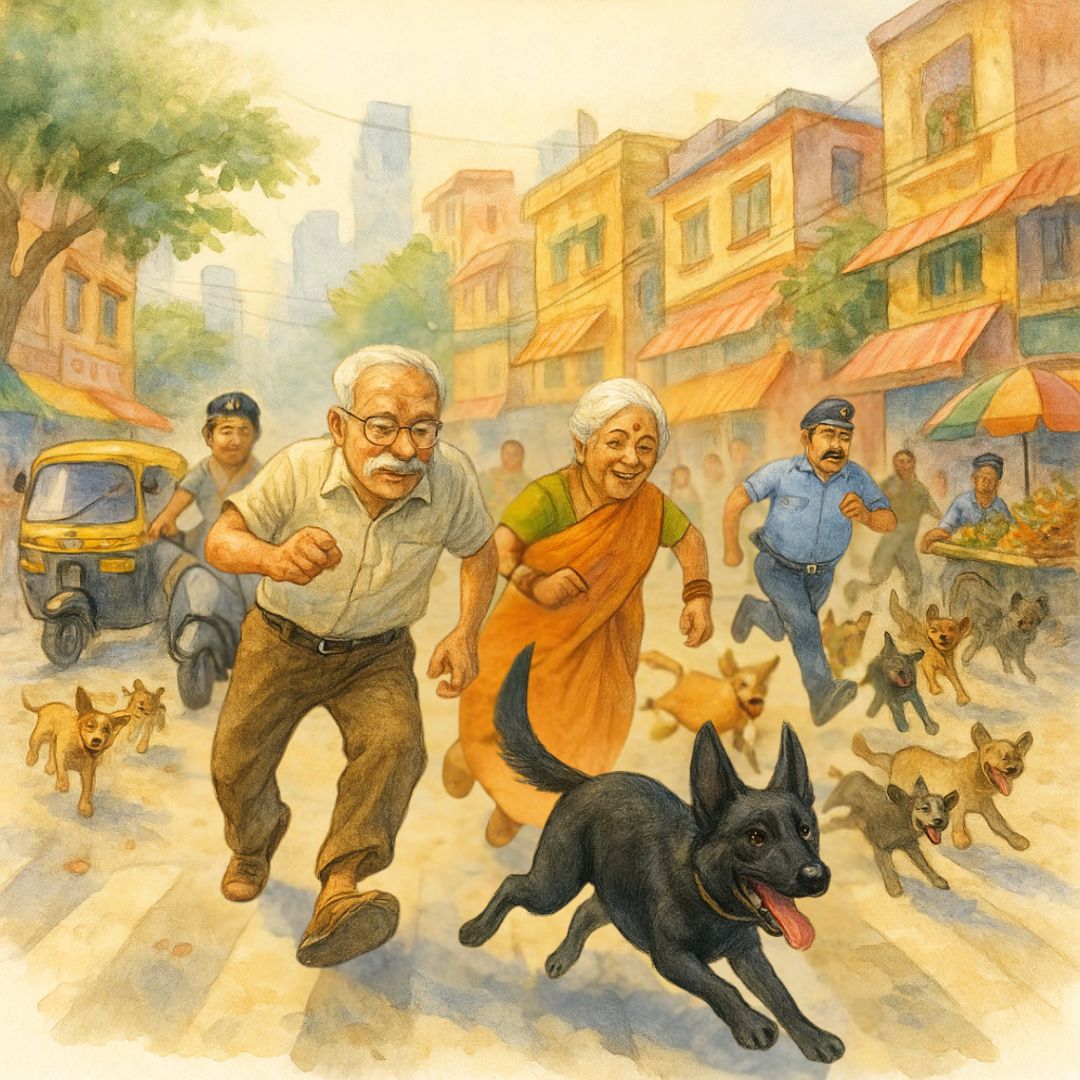
Welcome to a world of Pawrenting, where the thrills of shared experiences ignite joy and laughter. The journey is filled with adventures, as exhilarating as the destination, with each day bringing new opportunities for exploration. Start with early morning walks in the park. Then enjoy cozy afternoons spent cuddling on the couch. Every moment is a chance to connect with your furball. You can make memories that could last for a lifetime! As you navigate the ups and downs of pet parenthood, you’ll discover the unique bond that forms through play. Training and quiet times together further strengthen this bond. These experiences create a tapestry of unforgettable moments. They enrich both your lives.
-

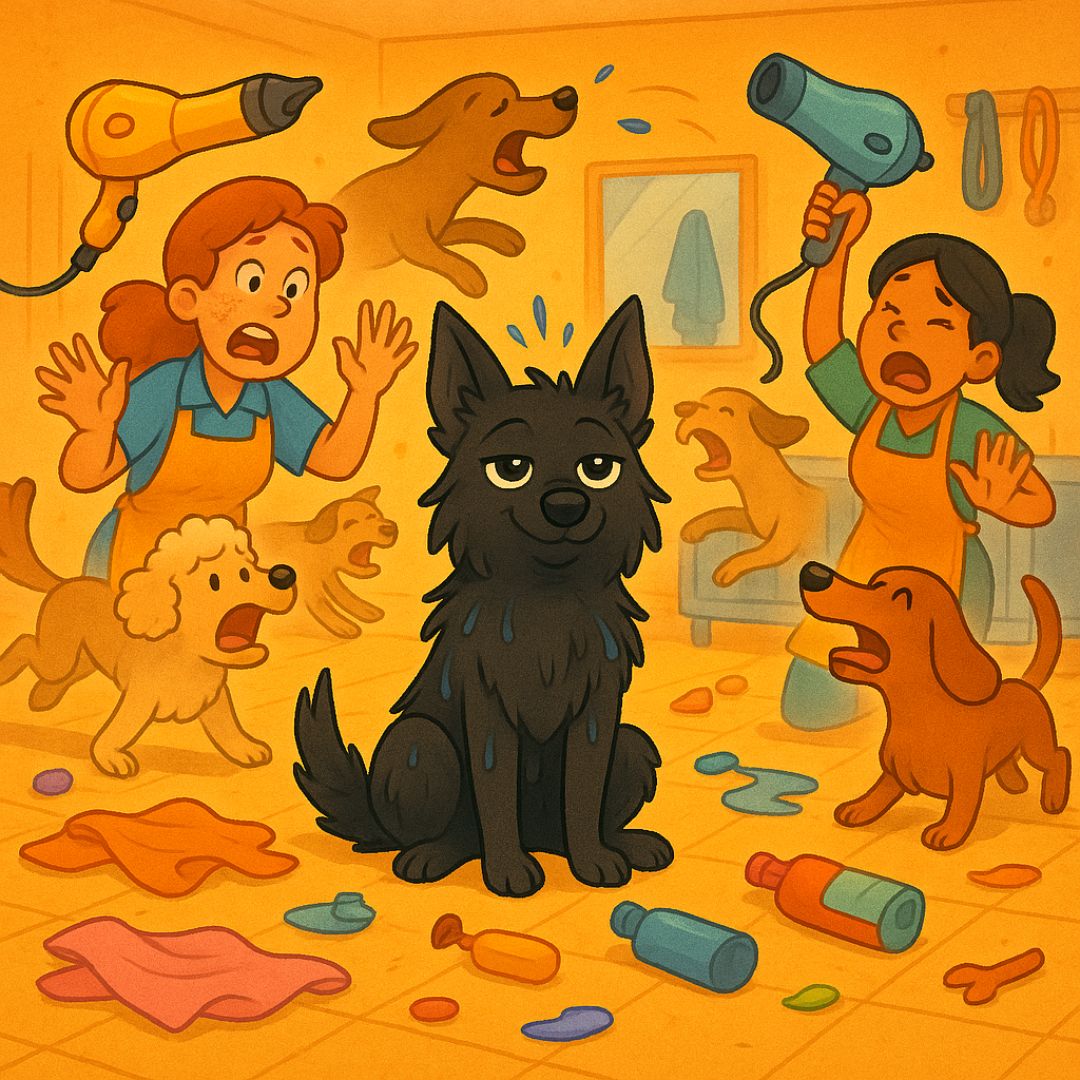
In the grand, meticulously curated architecture of my daily existence, the to-do list is the bedrock. It is the roadmap of my productivity, the checklist of my efficiency, and the sacred text upon which I base my sense of accomplishment. My days are structured, compartmentalized, and driven by a relentless rhythm of tasks, deadlines, and obligations. I pride myself on my ability to prioritize, to execute, and to maintain a state of organized momentum. Yet, living with a Belgian Malinois named Sauli has forced me to confront a humbling reality: she is entirely, blissfully, and unapologetically indifferent to my productivity.
To Sauli, my to-do list is not a blueprint for success; it is merely an abstract concept, a collection of human-made arbitrary rules that fail to account for the urgent demands of the present moment. While I am obsessively prioritizing emails, scheduling meetings, or fretting over deadlines, Sauli is experiencing life in real-time, untethered by the past or the future. She doesn’t care that I have a project due by 5:00 PM; she cares that the sun has hit a particular spot on the living room rug, and she believes, with absolute conviction, that I should be there to share it with her.
This fundamental mismatch of priorities initially felt like an obstacle—a direct defiance of my well-ordered world. I would be mid-sentence in a crucial memo, my fingers flying across the keys, and Sauli would appear, her nose nudging my elbow with the subtlety of a wrecking ball. Her message was always the same: The memo is irrelevant; the squirrel in the backyard is non-negotiable. At first, I resisted. I viewed these interruptions as flaws in my workflow, friction in the gears of my professional engine. I tried to train her out of it, to explain the concept of professional commitments and the sanctity of time management. My efforts were met with a blank stare, a wag of her tail, and a persistent, joyful demand for my undivided attention.
Slowly, however, that frustration began to transmute into curiosity. I started to wonder what it was about her indifference that was so disarming. Why did my most urgent “must-do” items feel suddenly small when she demanded I stop and look at a blade of grass swaying in the wind? The answer, I realized, is that Sauli operates from a place of radical presence. My to-do list is a manifestation of my anxiety about tomorrow; her life is a manifestation of her engagement with today.
When I am focused on my list, I am perpetually living in the future—in a time where the tasks are completed, where the stress has dissipated, where “success” has been achieved. I am rarely where I actually am. Sauli, by contrast, is a master of the “now.” When she eats, she eats with a singular, total commitment to the act. When she walks, she is entirely immersed in the sensory landscape of the neighborhood. She doesn’t worry about the walk she took yesterday or the one she’ll take tomorrow; she is fully occupied by the scent of the fire hydrant today.
There is a profound, albeit non-verbal, wisdom in this neglect of human planning. By refusing to cater to my to-do list, Sauli forces me to participate in the rhythm of a different kind of productivity—one that is measured not by outcomes or progress bars, but by connection and vitality. She challenges the assumption that my value as a human being is tied to the length of the list I manage to clear. She reminds me that some of the most important things in life—joy, rest, connection, wonder—are not tasks to be completed, but experiences to be inhabited.
The realization that my dog doesn’t care about my to-do list has become a cornerstone of my own philosophy of “Pawrenting.” It has taught me to carve out pockets of time where the list is officially suspended. When I do stop to play with her, when I finally yield to her insistence that the workday pause for a game of fetch, I find that my productivity doesn’t suffer as much as I feared. In fact, it often improves. I return to my work with a clearer perspective, a calmer nervous system, and a renewed sense of energy.
I still have a to-do list. I still value structure and goals. But I view them differently now. They are tools, not masters. My life is no longer solely defined by the items I check off; it is now enriched by the moments I spend in the company of a creature who knows, instinctively, that the most important thing I can do is simply be here.
In the end, Sauli isn’t just my dog; she is my most rigorous editor. She edits out the unnecessary urgency, she trims away the anxiety, and she insists that I leave room for the unexpected. She has taught me that the greatest accomplishment of any given day isn’t found at the bottom of my to-do list, but rather in the spaces between the lines—in the shared look of affection, the quiet afternoon rest, and the reminder that the world will continue to spin even if the final, non-essential item on my list remains unaddressed. And for that, I am profoundly, eternally grateful.
-

The narrative of animal rescue is often framed as an act of human heroism—a savior reaching into a cage to offer a second chance. When I first saw Sauli’s picture on an adoption app, I viewed myself through that exact lens. I saw a tiny black puppy with ears too large for her head and eyes full of a wary, intelligent spark, and I thought, “I can save her”. I didn’t realize then that the cage I was actually opening was my own.
The journey began on an ordinary Tuesday. Scrolling idly, a photo of a tiny Belgian Malinois puppy stopped me cold. She had comically large, floppy ears and eyes that seemed to stare directly through the screen. It wasn’t a logical decision; it was a pull on my heartstrings. I filled out the form, was approved, and soon found myself flying from my city life to the rolling fields of Wisconsin to meet the little girl from the screen.
I had curated a serene bonding experience in my mind—quiet cuddles and gentle walks. Personal growth, however, rarely happens in the quiet moments of success; it happens in the “Hotel Tornado”. Our first weekend together in Wisconsin was not the peaceful retreat I had imagined. Instead, it was a whirlwind of shredded pillows, escape attempts through hotel windows, and the sheer, exhausting reality of a high-drive Belgian Malinois.
The quiet, reserved puppy I met at the foster home disappeared the moment we entered our “dog-friendly” hotel. Sauli became a tornado on four legs. She unraveled toilet paper like confetti, nudged the mini-bar fridge with alarming determination, and dragged my shoes around as trophies. While I slept, she plotted escapes, scratching at the door and attempting to dismantle the carpet fibers. By the end of the first day, I was lying on the bed, surrounded by the aftermath of the Sauli-tornado, wondering if I had bitten off more than I could chew.
Handling a high-drive breed like a Malinois is a lesson in constant presence. She was a force of nature that demanded I show up—not as a savior, but as a partner. I was completely exhausted from the running, the fetching, and the constant vigilance. In the chaos of that weekend, Sauli taught me the difference between obedience and trust. She wasn’t a grateful, passive recipient of my “rescue”; she was a spirited soul testing the boundaries of her new world.
The turning point came after a particularly energetic game of “catch the shoe”. Sauli finally seemed to run out of steam and plopped down beside me on the hotel bed. I reached out, half-expecting her to dart away, but she stayed. I started talking to her softly, and then it happened: she rested her head on my lap. In that quiet, tender moment amidst the remnants of the chaos, everything clicked. It wasn’t just about me choosing her; it was about her choosing me.
When she finally rested her head on my lap, it wasn’t because I had “saved” her, but because we had survived the storm together. She forced me to slow down, to trade my rigid schedules for the rhythm of a wet nose and a wagging tail. I thought I was bringing her home to San Francisco to give her a life, but she was actually teaching me how to live mine.
Looking at Sauli today, I see a dog who has transformed from a scared rescue pup into a confident companion. But I also see a version of myself that is more patient, more present, and more resilient. The “rescue” was a mutual contract. I gave her a roof and a name; she gave me a sense of purpose and the realization that sometimes, the best way to find yourself is to get lost in the beautiful, chaotic life of another soul.
-
Beyond the Puppy
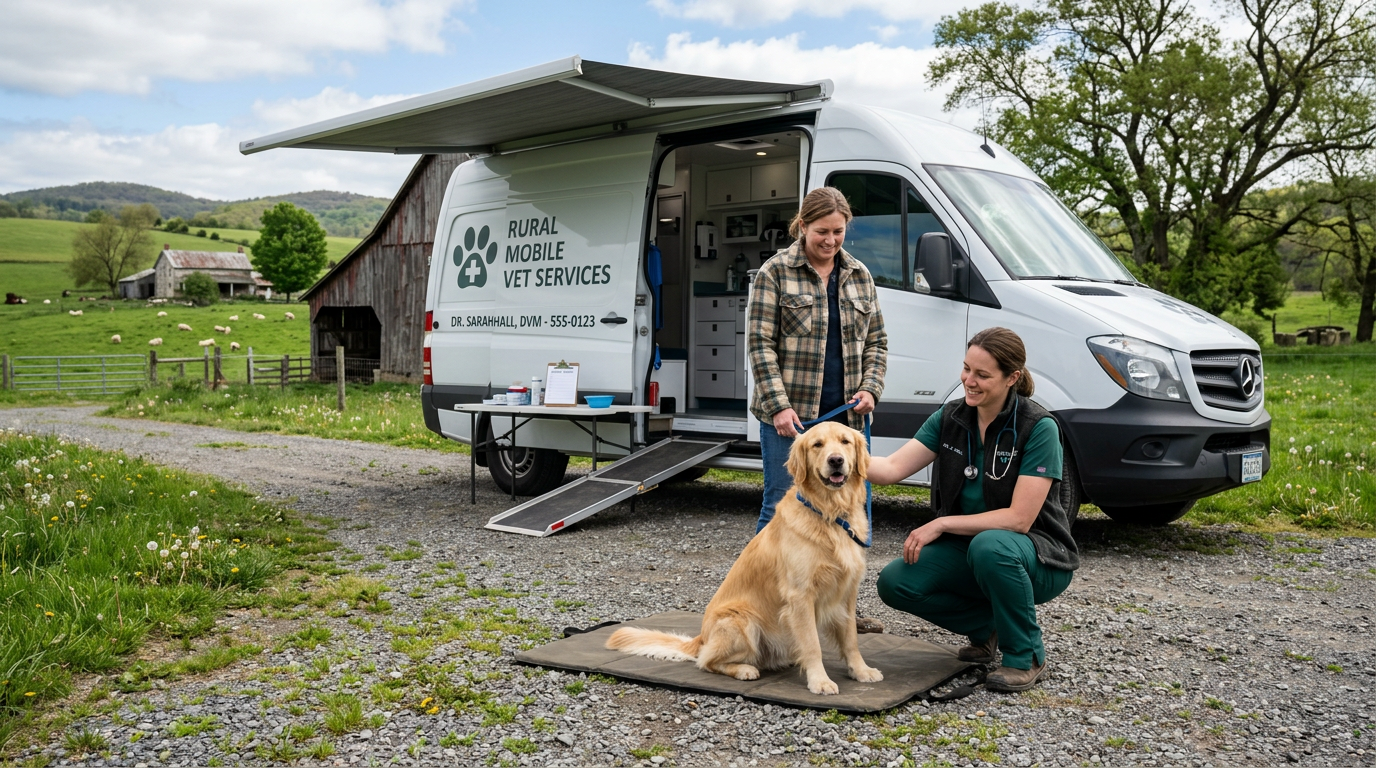
For decades, the “puppy in the window” has served as the glossy front-page of the pet industry—a curated image of joy designed to evoke immediate affection. It is a scene stripped of complexity, offering a polished entry point into pet ownership. However, this commercial ideal stands in stark, often heartbreaking contrast to the reality facing millions of stray and abandoned animals across the globe. For these forgotten souls, the journey to safety doesn’t begin in a brightly lit shop, but in the tireless, often invisible efforts of rescue workers operating far from the public eye.
The most impactful work in animal welfare is currently happening in the shadows, led by “unsung heroes” who manage the brutal realities of overpopulation, disease, and systemic neglect. These grassroots organizations serve as the primary defense against animal cruelty, working around the clock to provide medical care and sanctuary. While large international charities often capture the lion’s share of headlines and donor attention, it is the smaller, local groups that act as the true, gritty foundation of the movement.
This exploration reveals the counter-intuitive and deeply impactful realities of local animal rescue. By looking past the traditional “pet shop” narrative, we discover a world where limited resources are stretched into miracles and where the goal isn’t just to find a home for a dog, but to fundamentally alter how a community values life. These truths show that global welfare is not built on grand, distant gestures, but on a sophisticated, localized network of care.
Why the “Smallest” NGOs are the Real Heavy Lifters
While international animal welfare brands often “steal the spotlight,” local NGOs are the true “boots on the ground.” These smaller organizations operate with minimal resources and negligible budgets, yet they provide a level of personalized care that large-scale, distant operations simply cannot replicate. Because they are embedded within their specific regions, they navigate the unique logistical and cultural hurdles of their environment with a precision that comes only from lived experience.
As the data suggests, these groups have a distinct, irreplaceable advantage:
“Local NGOs have a unique contribution because they possess an intimate understanding of community needs and the specific local challenges animals face.”
The lack of visibility remains a major hurdle for these groups. Without the massive marketing engines of global entities, they must rely on local reputation and the sheer strength of their results. However, this lack of scale is exactly what allows them to offer tailored support. It ensures that every animal receives the specific medical attention and fostering required for its unique situation, rather than being treated as a statistic in a high-volume system.
Sterilization as a Public Health Essential
One of the most profound truths of the movement is that the most effective “rescue” work often involves a medical clinic rather than a traditional shelter. Organizations like the Soi Dog Foundation in Thailand and Red Paws Rescue in India have mastered “The Science of Sterilization.” By prioritizing mass sterilization and vaccination programs, they treat animal welfare as a critical public health service rather than a simple medical procedure.
This data-driven approach is the only humane, effective method for controlling stray populations and preventing the spread of zoonotic diseases. By framing these programs as a necessity for community safety, these NGOs address the root cause of animal suffering—uncontrolled breeding—rather than merely treating the symptoms of overpopulation. This is a far more impactful long-term strategy than building more shelters; it reduces the number of animals born into a life of struggle, ultimately creating a safer environment for both humans and animals alike.
The Power of Education Over Rescue
In Vietnam, the organization Paws for Compassion demonstrates that physical rescue is only one half of the equation. Their mission is built on “education-based community inspiration,” operating on the principle that shifting public perception is as vital as the physical act of pulling an animal off the street. They move beyond the “temporary fix” of a rescue mission by working directly with local populations to inspire kindness and responsible ownership.
This focus on education acknowledges a hard truth: rescue missions can only keep pace if the pipeline of abandonment is closed. Long-term cultural shifts are the only way to solve the root cause of animal suffering. When a community is educated on the value of animals and the responsibilities of care, the “need” for rescue eventually diminishes. Education transforms the local environment from one of indifference to one of active, sustainable compassion.
Adoption is a “Pipeline,” Not Just a Purchase
The “Adopt, Don’t Shop” philosophy is more than a catchy slogan; it is the engine of the “Second Chance Pipeline.” This concept represents the complex logistics of moving an animal from a high-stakes rescue mission to a stable, forever home. Organizations like Krishna Ashram in the Delhi NCR region act as the critical “safe haven” in this pipeline, providing round-the-clock medical treatment and constant care for animals in immediate distress.
Crucially, every successful adoption creates a ripple effect. Because these NGOs operate with limited infrastructure, rehoming one dog “creates space” and frees up vital resources for the next animal in need. Choosing to adopt is a direct vote against profit-driven breeding and animal cruelty. It validates the 24/7 commitment of workers at places like Krishna Ashram and Red Paws Rescue, ensuring the “global network of care” remains fluid and functional.
The “Micro-Impact” of Stretching a Dollar
Local NGOs are masters of efficiency, frequently stretching every single donation to achieve remarkable results. They provide round-the-clock medical care, fostering, and adoption services on budgets that many corporate entities would find impossible. This proves that grand, sweeping gestures are not required to make a global difference; the backbone of this movement is composed of small, consistent, and highly disciplined actions.
You can contribute to this mission through several high-impact, manageable ways:
- Donate: Even small financial contributions help local NGOs cover the immediate costs of food and life-saving medical treatments.
- Volunteer: Offer your time or professional skills—whether it’s hands-on fostering, rescue assistance, or administrative tasks.
- Adopt, Don’t Shop: Opting for a rescue dog instead of a breeder animal directly supports the “Second Chance Pipeline.”
- Spread the Word: Use your digital voice to amplify the work of these unsung heroes, bringing visibility to those who often work in the shadows.
A Call to Compassion
The work of grassroots organizations like the Soi Dog Foundation, Paws for Compassion, Krishna Ashram, and Red Paws Rescue proves that animal welfare is a global responsibility met with local heart. Through the “science” of sterilization, the power of education, and the round-the-clock dedication of rescuers, these “boots on the ground” heroes are ensuring that the world becomes a kinder, more compassionate place for every living creature.
Every animal rescued and every mind changed contributes to a growing global network of care. As we look beyond the simplified, commercialized ideals of the pet industry, we must recognize our own role in this ecosystem. In a world that often overlooks the “invisible” stray, how will you choose to lend your voice to the global network of care today?

