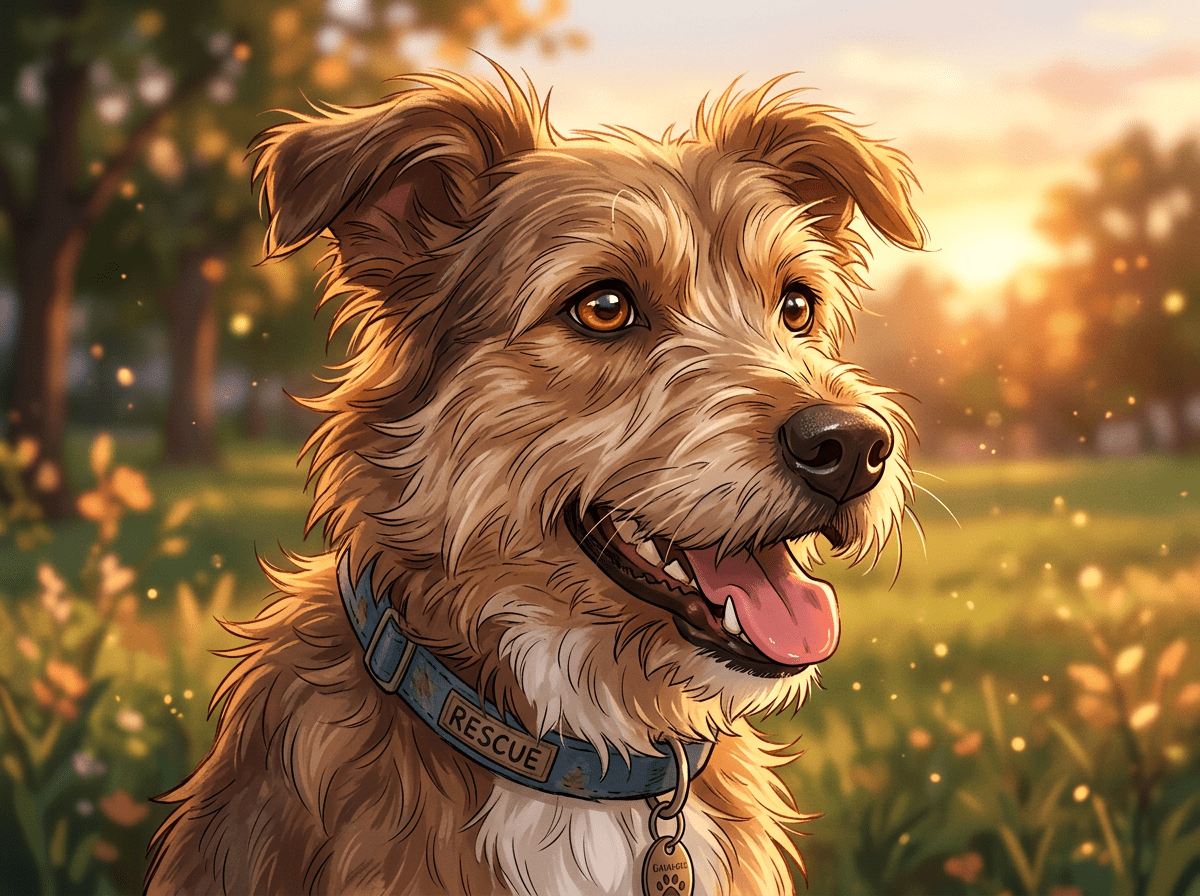
The narrative of animal rescue is often framed through the lens of human heroism—a savior reaching into a cage to offer a second chance to a creature without a voice. We see the photos of shelter dogs with their soulful, pleading eyes, and we are moved by a desire to “save” them. When I first saw Sauli’s picture on an adoption app, I viewed myself through that exact lens. I saw a tiny black puppy with ears too large for her head and eyes full of a wary, intelligent spark, and I thought, “I can save her.” I didn’t realize then that the cage I was actually opening was my own.
Adopting a dog is a profound choice that goes far beyond the transaction of acquiring a pet. To “adopt, not shop” is a commitment to a living story, one that often begins with trauma, neglect, or simply the misfortune of being unwanted. Unlike purchasing a puppy from a breeder, where the history is a clean slate and the expectations are curated, adoption is an invitation into a complex past. It requires a willingness to embrace the unknown and a capacity for patience that few other relationships demand. When you bring a rescue dog home, you aren’t just bringing home a companion; you are assuming stewardship of a soul that has already known the weight of the world.
The reality of the adoption process is rarely the cinematic “love at first sight” moment we see in advertisements. It is often messy, exhausting, and filled with “Hotel Tornado” moments. Our first weekend together in Wisconsin was not the serene bonding experience I had curated in my mind. Instead, it was a whirlwind of shredded pillows, escape attempts through hotel windows, and the sheer, exhausting reality of a high-drive Belgian Malinois. Sauli was not the grateful, passive recipient of my rescue. She was a force of nature that demanded I show up—not as a savior, but as a partner. This is the true face of adoption: the period of decompression where trust is earned in millimeters, not miles.
In the chaos of those early days, the dynamic began to shift. The rescue dog possesses a unique kind of resilience, a “survival intelligence” that makes the eventual bond incredibly deep. Because they have known loss, their loyalty is not a given; it is a hard-won treasure. When a rescue dog finally rests their head on your lap after weeks of wary observation, it is a monumental act of courage on their part. They are deciding, against their previous experience, that the world is safe again. This realization is where the true healing begins—not just for the dog, but for the human holding the leash.
We often speak about how rescue dogs are “grateful,” but that is a human projection. What they actually offer is presence. They force us to trade our rigid schedules for the rhythm of a wet nose and a wagging tail. They demand that we slow down, that we listen to the nuances of their body language, and that we find joy in the smallest victories—a successful walk, a night without an escape attempt, or a playful pounce on a squeaky toy. In teaching us how to care for them, they teach us how to care for ourselves. They reflect back to us our own capacity for patience, our own hidden reservoirs of compassion, and our own need for connection.
The profound shift in perspective occurs when you realize that the act of “saving” was actually mutual. I thought I was bringing Sauli home to San Francisco to give her a life, but she was actually teaching me how to live mine. She moved me from a life of sterile order to one of beautiful, chaotic meaning. The “rescue” was a mutual contract. I gave her a roof, a name, and a consistent bowl of kibble; she gave me a sense of purpose and the realization that the best way to find yourself is to get lost in the service of another living being.
To adopt is to choose the path of most resistance for the sake of the greatest reward. It is a stand against the commodification of living things and a vote for the underdog. It is an acknowledgement that every life, regardless of its start, deserves a middle and an end filled with love. Looking at Sauli today, I see a dog who has transformed from a scared rescue pup into a confident companion. But I also see a version of myself that is more patient, more present, and more resilient than I ever was before she entered my life.
Ultimately, to adopt a dog is to participate in one of the most beautiful cycles of healing available to us. It is a reminder that no matter how many walls we have built or how many times we have been “caged” by our own stresses and schedules, there is always room for a new chapter. When you open your home to a rescue, you aren’t just changing their world; you are allowing them to change yours. And in the end, you’ll find yourself wondering, as I often do while watching Sauli sleep peacefully on the rug, who really rescued whom.
 Let Your Pawrenting Journey Begin